Cozy Living: Layering Textures for a Warm Home Decor
Create a cocooning home by layering textures—think knits, wood, linen, and wool—balancing warmth, contrast, and touchable comfort in every room.
Texture Matters
A warm home begins with texture, the subtle interplay of materials that you can both see and feel. Instead of relying solely on color, think about layering surfaces that contrast in weight, sheen, and grain. A nubby wool next to a smooth leather, a matte clay pot beside a glazed vase, and a woven basket against a painted wall create a rich, tactile story. Texture softens hard edges, absorbs echo, and invites touch, which is essential for a truly cozy atmosphere. Begin by noticing how light hits different finishes; matte, satin, and gloss each reflect differently, adding depth without visual clutter. Embrace imperfections such as subtle slubs in linen or slight variations in hand-thrown ceramics; they communicate authenticity and a handmade feel. When you build layers thoughtfully, rooms feel grounded, welcoming, and visually calm, even if the palette stays neutral. Texture, more than any trend, turns spaces into lived-in, soulful retreats.
Anchor Layers
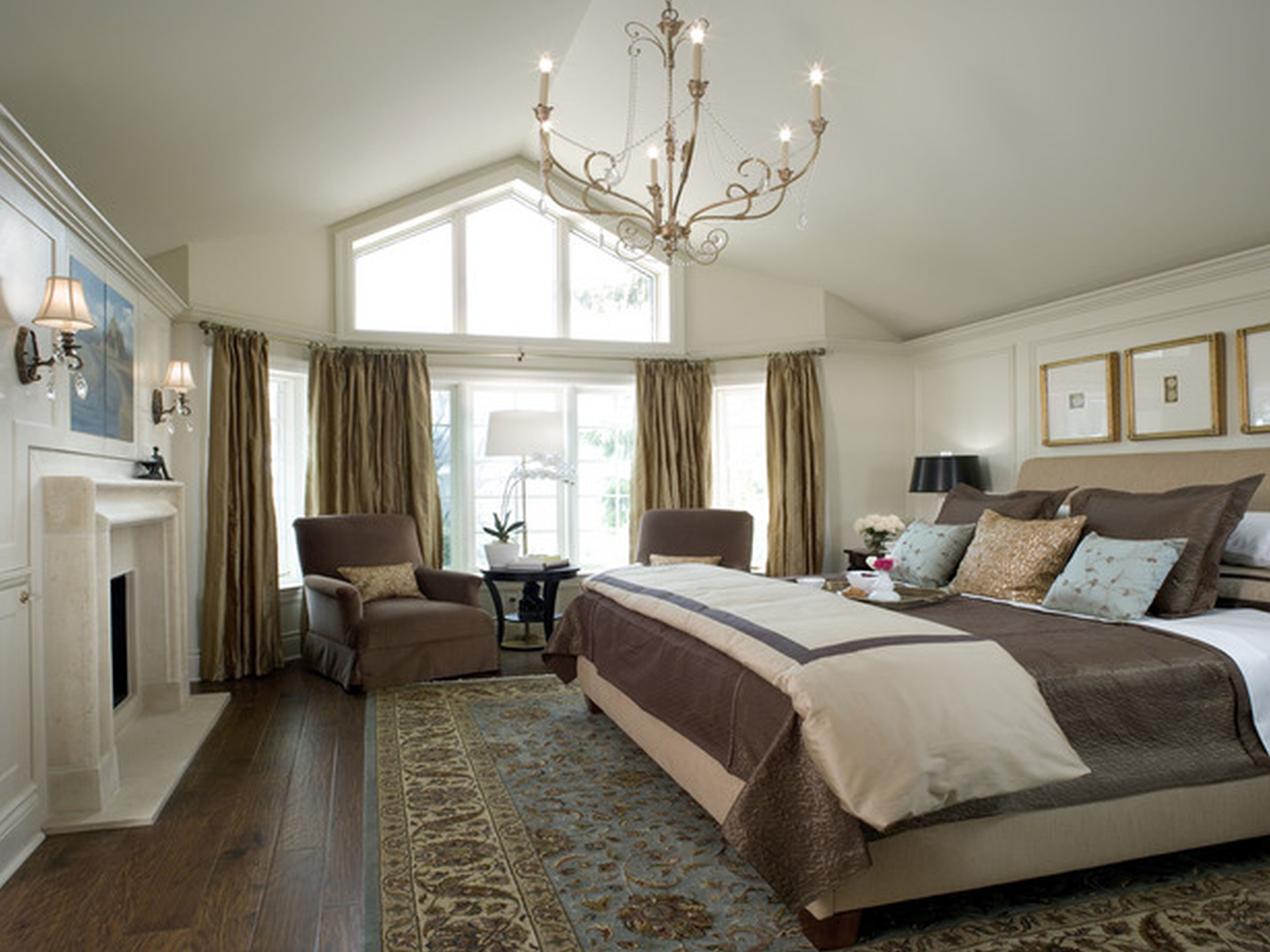
Start with the biggest surfaces to set your foundation. Floors, walls, and large furniture create the primary canvas for layering. A wool or jute rug adds softness underfoot and absorbs sound, while a flatweave runner brings a leaner profile to high-traffic areas. Consider wall finishes that add quiet depth: limewash, soft plaster, or even textured wallpaper in subtle weaves. Anchoring pieces like a linen sofa or a bouclé armchair establish palpable warmth; mix with a leather ottoman or solid wood coffee table for contrast. Aim for balance in scale and density: a chunky rug supports slimmer-legged furniture, while a sleek rug benefits from weightier silhouettes. For window coverings, a layered approach—sheer panels for light diffusion paired with lined drapes for privacy—creates dimension and comfort. These anchors calm the room, letting smaller accents add personality without visual noise, ensuring the design reads cohesive from the ground up.
Soft Textiles
Once the foundation is set, weave in textiles that invite lingering. Mix throws and pillows with varied weaves: chunky knits for heft, velvet for luster, linen for breathability, and cotton percale for crispness. Keep a common thread—color family or undertone—so the look feels curated rather than chaotic. Play with shape and size: lumbar pillows provide back support on deep sofas, while oversized squares layer behind smaller accents for dimension. Drape a throw casually over an armrest or fold it at the foot of a bed to signal comfort. For windows, linen or cotton drapery with a gentle puddle softens lines and filters light. Textiles also regulate temperature; heavier weaves add warmth in cooler months, while gauzy layers keep things airy when it's warm. Remember to vary pattern density—pair small, tight weaves with open, loose knits—to avoid a flat look and build a truly inviting atmosphere.
Natural Materials
Lean into natural materials to enrich the tactile landscape. Wood, stone, and plant fibers carry intrinsic warmth and visual movement. Pair a lightly grained oak console with a smooth travertine bowl for organic contrast, or combine walnut shelves with cane-front cabinets to balance solidity and airiness. On floors, sisal, jute, or seagrass rugs introduce woven texture that patinas gracefully. Rattan and cane furniture add open weave patterns that keep spaces from feeling heavy. Consider finishing touches—a raw-edge wood tray, pebble-textured coasters, or hand-carved bowls—to echo nature's irregularity. Vary tones from pale blond to deep espresso to avoid monotony, and repeat each material at least twice for cohesion. Natural textures also work beautifully with greenery; leafy plants amplify organic forms and soften corners. The goal is a layered ecosystem where each surface provides a different hand-feel, harmonizing into a space that feels grounded, serene, and timeless.
Shimmer and Clay
Balance soft fibers and woods with accents that add spark and weight. Metals such as brushed brass, aged bronze, or blackened iron offer subtle shine and a pleasing temperature contrast against warm textiles. Use them in lamp bases, picture frames, or hardware to punctuate the room. Pair with glass—ribbed, smoked, or clear—to play with light without adding heaviness. Handcrafted ceramics bring earthy tactility; look for visible throwing rings, matte glazes, or speckled finishes that read artisanal. These pieces break up uniformity and avoid a sterile look. Repetition matters: echo a bronze finish in multiple spots, or mirror a ribbed glass pattern in a vase and a pendant shade. Keep proportions in check; a single substantial ceramic lamp can anchor a console, while smaller bud vases add delicate rhythm. By mixing shimmer with clay, you create a dynamic interplay of cool and warm, smooth and rough, ensuring the room feels richly layered.
Pattern and Color
Texture thrives when supported by pattern and color that enhance, not overwhelm. Begin with a limited palette of warm neutrals—think sands, creams, mushrooms, and charcoals—then layer accents in muted earth tones or gentle pastels. Pay attention to undertones; pink-beige reads warmer than gray-beige, and a hint of olive can make browns feel more grounded. For patterns, mix scales: a bold herringbone on a rug, medium stripes on pillows, and a small-scale check on a throw chair bring movement without clashing. Add a whisper of black or deep espresso for contrast; it sharpens edges and prevents the scheme from turning mushy. Balance busy prints with expanses of solid textures so the eye can rest. If you prefer color-forward spaces, keep textures matte or nubby to tame saturation. The harmony of pattern and color should guide the gaze gently through the room, reinforcing cohesion and a lived-in elegance.
Sense and Care
A truly cozy home engages multiple senses and evolves gracefully with care. Layer lighting—ambient, task, and accent—to flatter textures: linen shades diffuse glow, ribbed glass scatters highlights, and shaded sconces graze walls to reveal subtle plaster movement. Add gentle scent through natural elements like cedar blocks in drawers, lavender stems in a vase, or a bowl of dried citrus peels in the kitchen. Maintain your layers thoughtfully: rotate cushions to preserve loft, brush wool rugs to lift pile, and dust wood with a soft cloth to protect patina. Store extra throws in woven baskets for accessible warmth without clutter. Adjust with the seasons—swap in lighter cottons and airy weaves when it's warm, returning to bouclé and velvet as temperatures drop. Above all, edit regularly; negative space highlights texture. With mindful upkeep and sensory cues, your layered interiors remain welcoming, practical, and beautifully warm day after day.