Craft a Standout Resume and Cover Letter That Get Calls
Get more interviews with a resume and cover letter that beat ATS filters, showcase your impact, and compel hiring managers to call you back.
Start With Strategy
Before you write a single line, set a clear strategy. Define your target role, the audience reading your materials, and the outcomes you want. Scan several job descriptions to identify repeating keywords, core responsibilities, and preferred tools. From that research, craft a concise value proposition that answers why you are the right match. Anchor everything in impact rather than activity: show how your work improves revenue, efficiency, satisfaction, quality, or risk. Choose a tone that reflects the industry while staying authentic. Avoid generic objectives and replace them with a focused professional summary that highlights strengths relevant to the role. Decide what to de-emphasize to keep the narrative sharp. This strategy prevents scattershot applications and guides your resume layout, skills selection, and cover letter storytelling. When your materials align tightly to employer needs, you create immediate relevance, reduce screening friction, and increase the chance of getting a call.
Structure That Works
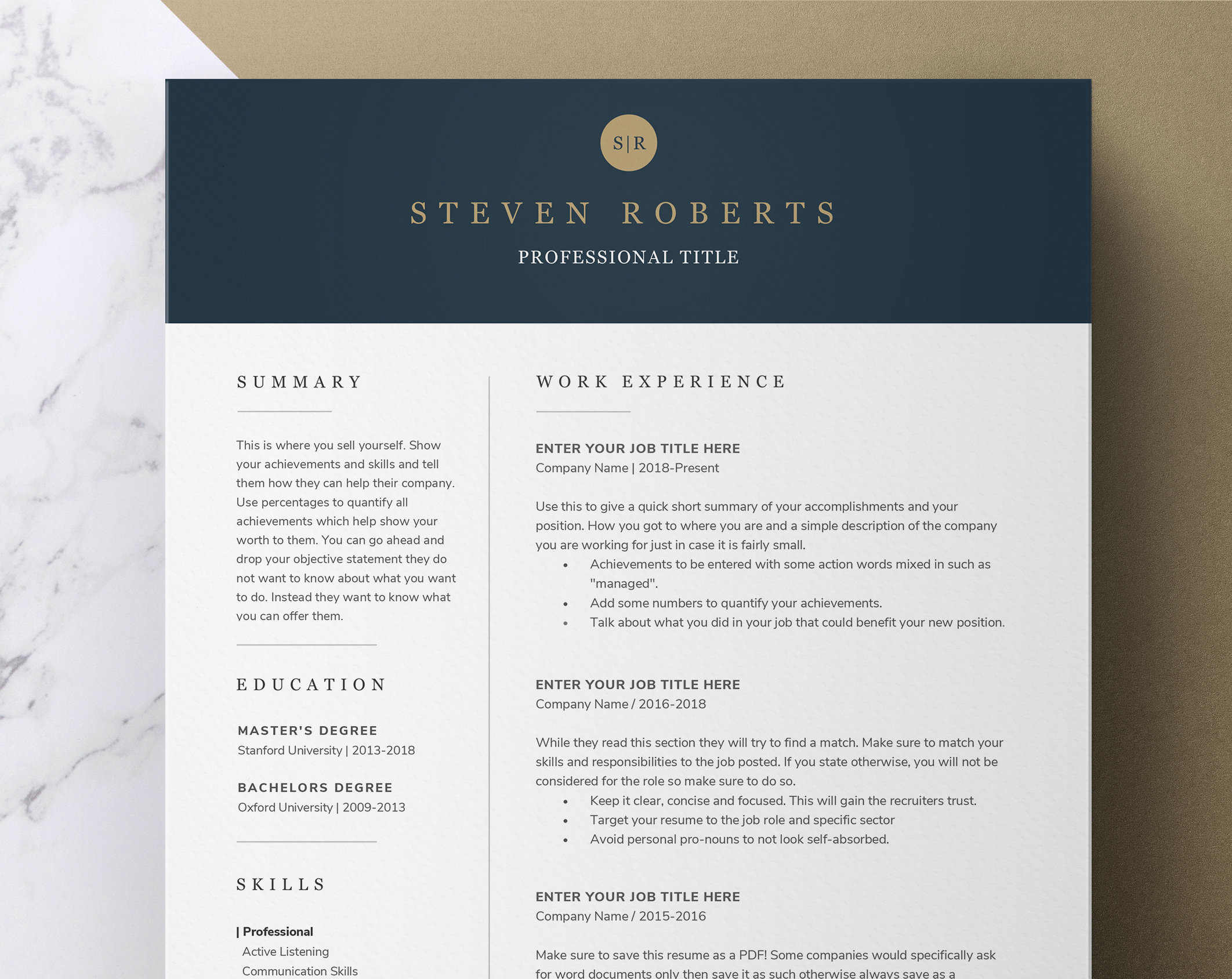
Use a clean, logical, and skimmable structure. Start with a contact header that includes your name, mobile number, professional email, city and state, and a brief professional summary that conveys your value proposition in three to five punchy lines. Follow with a skills section clustered by themes—technical, analytical, communication, leadership—prioritized for the role you are targeting. Present experience in reverse chronological order with concise bullets emphasizing outcomes. Under each role, include scope (team size, budget, stakeholders) and results. Add education and relevant certifications, then optional sections such as projects, publications, or volunteer leadership. Keep formatting consistent—same fonts, bullet style, date alignment, and spacing. Use meaningful white space and clear section headings for quick scanning. Avoid personal details that do not inform job fit. A focused structure makes it easy for reviewers and systems to find what matters most and elevates perceived professionalism.
Write Powerful Bullets
Strong bullets convey action, context, and business impact. Use the formula: action verb + what you did + how you did it + measurable result. Ground your writing in STAR or CAR mini-stories (situation, task, action, result). Replace duties with achievements: instead of stating that you were responsible for something, show how you improved it. Quantify with metrics where possible—percent change, cost saved, time reduced, quality increased, customer growth, error rate lowered. When exact numbers are sensitive, use ranges, ratios, frequency, scale, or comparisons (faster, larger, more accurate). Combine technical outcomes with business value to show cross-functional impact. Keep bullets concise, begin with dynamic verbs, avoid filler words, and lead with the strongest result. Tailor terminology to match role keywords without stuffing. The aim is to make every line defend its space by demonstrating results, not just activity, so your experience stands out in a crowded field.
Optimize for ATS and Humans
Your resume must satisfy ATS parsing and human skim habits. Mirror relevant keywords from the job description in your summary, skills list, and experience bullets using natural phrasing. Use standard section titles—Summary, Skills, Experience, Education—so systems can map fields correctly. Favor a single-column layout, simple formatting, and common fonts. Avoid tables, images, text boxes, and decorative icons that can hinder parsing. Use consistent date formats and role titles aligned to market norms. Place acronyms and their spelled-out versions to maximize match (for example, enterprise resource planning and ERP). Keep file size small and name the file with your name and the word Resume for easy retrieval. Save as PDF to preserve layout unless the application requests a different format. Above all, ensure readability for recruiters: clear hierarchy, strategic bolding, and generous white space that makes key achievements impossible to miss.
Craft a Resonant Cover Letter
A compelling cover letter connects your value proposition to the employer's needs with a confident, human voice. Open with a crisp hook that shows you understand their priorities—a recent initiative, a customer segment, or a performance challenge—and how your strengths address it. In the body, deliver one or two short stories using the problem-action-impact flow, spotlighting results that mirror the role's demands. Integrate a few targeted keywords naturally to reinforce alignment. Demonstrate cultural add by referencing collaboration style, learning mindset, or stakeholder communication. Keep paragraphs tight, avoid clichés, and maintain a warm, professional tone. Close with a clear call to action: express enthusiasm for a conversation, mention availability, and thank the reader. Match the resume's voice and formatting for a unified brand. When done well, your letter transforms bullet points into a narrative that makes your candidacy memorable.
Tailor Efficiently
Tailoring does not have to be slow. Maintain a master resume with comprehensive bullets, then create role-specific versions by selecting the most relevant achievements. Keep a library of modular bullets tagged by skill, tool, or industry, so you can assemble quickly. Build a compact keyword checklist from the job posting and ensure coverage across your summary, skills, and experience. Prioritize the top three to five themes and move aligned content near the top of each section. For cover letters, use a flexible template with slots for a custom opening, two story highlights, and a tailored close. Track versions to avoid confusion and maintain consistency. Prepare a metrics bank that captures outcomes, scales, and stakeholder types to plug into bullets and stories. With this system, you can tailor in focused bursts, increase relevance, and submit high-quality applications faster—without sacrificing accuracy or authenticity.
Polish and Proof
Before sending, perform a rigorous quality check. Review for clarity, grammar, and consistency—verb tense alignment, parallel bullet structure, punctuation rules, capitalization, and number formatting. Trim redundancy and remove vague terms like responsible for or various tasks. Ensure every section adds value and that the most important achievements appear early. Validate contact information, role titles, and dates. Do a visual pass for readability: consistent spacing, margins, and strategic bolding that guides the eye. Read aloud to catch awkward phrasing, then ask a trusted reviewer to provide feedback. Confirm length is appropriate for your career stage and that your file is named professionally. Create a simple tracking list of applications and plan a polite follow-up cadence. This final polish signals professionalism, reduces avoidable errors, and boosts confidence—so when the call comes, your materials already reflect the precision and impact you bring to the role.