DIY Container Gardens for Balconies and Windowsills
Turn tight spaces into lush, productive oases with smart containers, right plants, and easy DIY ideas for sun, shade, and every windowsill.
Space and Light
Maximizing a small balcony or windowsill starts with a careful read of sun exposure and space. Note where light falls in the morning, midday, and late afternoon, and watch how nearby walls, eaves, or buildings cast moving shade. South-facing spots often suit heat lovers, while east-facing areas favor delicate greens that enjoy gentle light. Wind is a big factor on upper floors, so consider windbreaks or sturdier plants where gusts are frequent. Check weight limits if you plan heavy planters, and choose lightweight containers to reduce strain. Safety matters: secure pots on rails, anchor trellises, and keep paths clear for watering. Access to water and a drain plan prevents messy overspill; saucers and self-watering bases help. Light-colored walls or reflective surfaces can boost brightness for sun-hungry plants. Finally, group plants with similar needs close together to simplify care, and use taller pieces to create privacy without blocking precious light.
Choosing Containers
The right containers make balcony and windowsill gardening easier, tidier, and more productive. Terracotta breathes and prevents soggy roots, but it dries quickly and can be heavy. Plastic and fiberglass are light, durable, and excellent for railing planters or shelves. Metal warms fast; use liners or shade to protect roots in hot weather. Wood boxes offer charm, but ensure they are sealed or lined to extend life. Prioritize solid drainage holes and pair with deep saucers to safeguard floors or sills. Consider self-watering planters that include reservoirs and wicks for steady moisture during warm spells or busy weeks. Hanging baskets save footprint space but need frequent watering, so opt for water-retentive potting mixes. Upcycled containers work if you drill drainage and avoid materials that leach. Choose shapes that fit your layout: long window boxes for herbs and greens, deeper pots for compact tomatoes, and tall planters for climbers trained on slim trellises.
Soil and Drainage
Great container gardens begin with a high-quality potting mix, not garden soil. Potting mix is blended to stay airy, resist compaction, and hold the right amount of water. Look for blends with coco coir or peat for moisture retention and perlite or pumice for drainage. Mix in screened compost to boost nutrients and beneficial biology, and consider a slow-release fertilizer to feed over time. Skip thick gravel layers at the bottom; they rarely improve drainage and can cause perched water. Instead, ensure ample drainage holes and use a mesh or coffee filter over them to prevent soil loss. For heat-exposed spots, add extra coir and a bit of biochar to buffer moisture and nutrients. Self-watering planters benefit from a wicking column of mix that reaches the reservoir. Top-dress with fine bark, straw, or pebbles to reduce evaporation. Refresh or partially replace the mix between plantings to keep roots vigorous and healthy.
Plant Selection
Balcony and windowsill gardens shine when you match plants to light, wind, and available depth. For full sun, try compact tomatoes, chilies, bush beans, strawberries, or drought-tolerant succulents and Mediterranean herbs like thyme and rosemary. In partial shade, grow lettuce, spinach, parsley, mint, chives, and cheerful flowers such as pansies and begonias. Choose dwarf varieties labeled patio, bush, or micro to suit shallow containers. Mix edibles and ornamentals for a lively, pollinator-friendly display, including edible flowers like nasturtiums and calendula. Practice simple companion planting: basil with tomatoes, chives with strawberries, and marigolds with greens to deter pests. Start fast growers from seed for economy, and use nursery starts for slow crops or head-started harvests. Mind spacing to avoid overcrowding, and stagger sowings for continuous picking. When wind is strong, select sturdy or flexible plants, and place tender species in buffered pockets near walls or screens.
Watering and Feeding
Consistent watering is the heartbeat of container success. Test moisture by feeling the top inch of mix or using a moisture meter, then water deeply until it drains. Morning watering supports daytime growth and reduces disease risk. In hot or windy conditions, daily checks may be needed, while self-watering planters even out fluctuations. Mulch the surface with bark, straw, or pebbles to slow evaporation and keep roots cooler. Feed lightly but regularly: a gentle liquid fertilizer every couple of weeks, or a balanced slow-release granule at planting, keeps growth steady. Organic options like fish emulsion or seaweed extract can support resilience and flavor. Flush pots occasionally to prevent salt buildup if you feed often. Watch for signs of stress—wilting, leaf scorch, or pale growth—and adjust watering or nutrition accordingly. Grouping plants by thirst levels simplifies care, and placing thirsty crops within easy reach helps you maintain a dependable routine.
Design and Layout
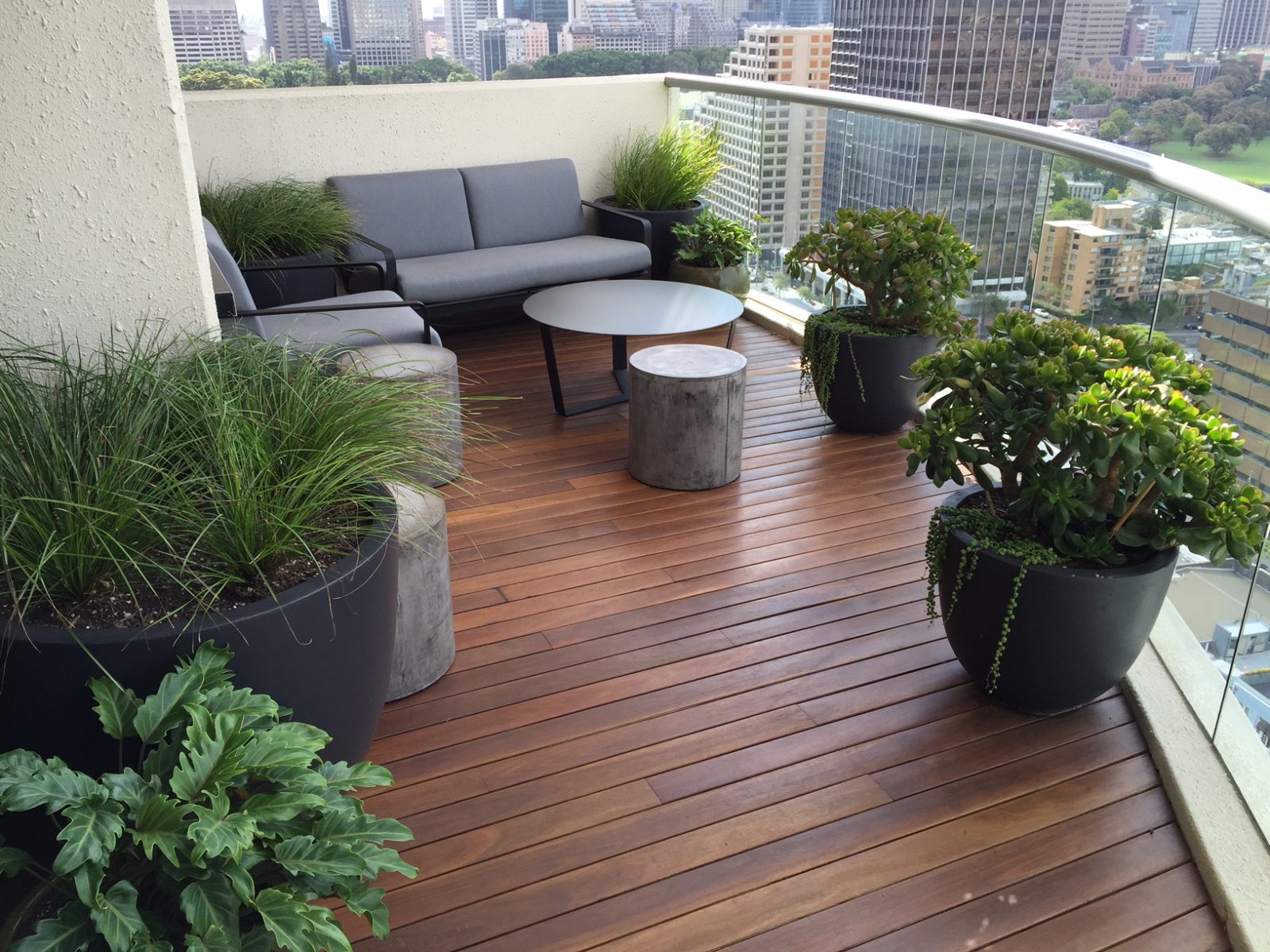
A thoughtful layout turns limited space into a lush, functional garden. Anchor each container with a structure: use the thriller–filler–spiller approach—one bold centerpiece, supportive mid-height plants, and trailing edges that soften lines. Employ vertical gardening with slim trellises, wall pockets, or tiered shelves to multiply growing area without crowding the floor. Keep taller plants to the back or rail edge to preserve light for shorter neighbors. Play with a cohesive color palette, or blend foliage textures—glossy, feathery, and silver—so the garden feels full even between blooms. Place herbs near the kitchen door or window for quick snipping. Add rolling caddies to heavier pots for easy cleaning and seasonal repositioning. Use planters as privacy screens while maintaining airflow. Maintain sightlines and a comfortable walkway for watering access. Finally, leave a spare pot and a stash of mix ready for impulse additions or to rotate in fresh, seasonal interest.
Maintenance and Troubleshooting
Healthy container gardens thrive on frequent, light maintenance. Pinch herbs to encourage branching, deadhead flowers to extend bloom, and prune leggy growth to keep plants compact. Rotate pots occasionally so each side sees the sun and grows evenly. Support climbers and tall stems with unobtrusive stakes or ties. For pests like aphids or spider mites, begin with a strong blast of water, then use insecticidal soap or neem as needed, focusing on leaf undersides. Improve airflow to deter powdery mildew, and remove affected leaves promptly. Monitor for nutrient issues: pale leaves may call for supplemental iron or a balanced feed, while burnt tips suggest salt buildup. Repot root-bound plants into slightly larger containers with fresh mix. As weather shifts, add light frost protection or move tender species indoors near bright windows. Clean tools and wipe planters to reduce disease pressure, and keep brief notes so you can refine your approach season by season.