Eat the Rainbow: A Practical Guide to Colorful, Nutrient-Dense Meals
Discover how to build vibrant, balanced plates using every color of produce, with simple tips, seasonal swaps, and quick recipes for nutrient-dense meals.
Why Color Matters
Eating the rainbow is a simple, visual way to build colorful, nutrient-dense meals. Each hue signals a distinct family of plant compounds called phytonutrients, including carotenoids, flavonoids, anthocyanins, and chlorophyll. These compounds work alongside vitamins, minerals, and fiber to support overall wellness, from immune resilience to steady energy and healthy digestion. Variety ensures you capture a broader spectrum of micronutrients while keeping meals interesting and satisfying. Color also encourages natural portion control; plates filled with produce are typically lower in energy density yet high in satiety. Plant fibers nourish the microbiome, which influences metabolism, mood, and inflammation balance. Think of color as your everyday nutrition compass: when you assemble meals that look like a painter's palette, you're more likely to meet your needs without obsessing over numbers. No single food is a magic bullet; it's the synergy of diverse plants, balanced macronutrients, and enjoyable flavors that makes the rainbow approach both practical and sustainable.
Red and Orange Fuel
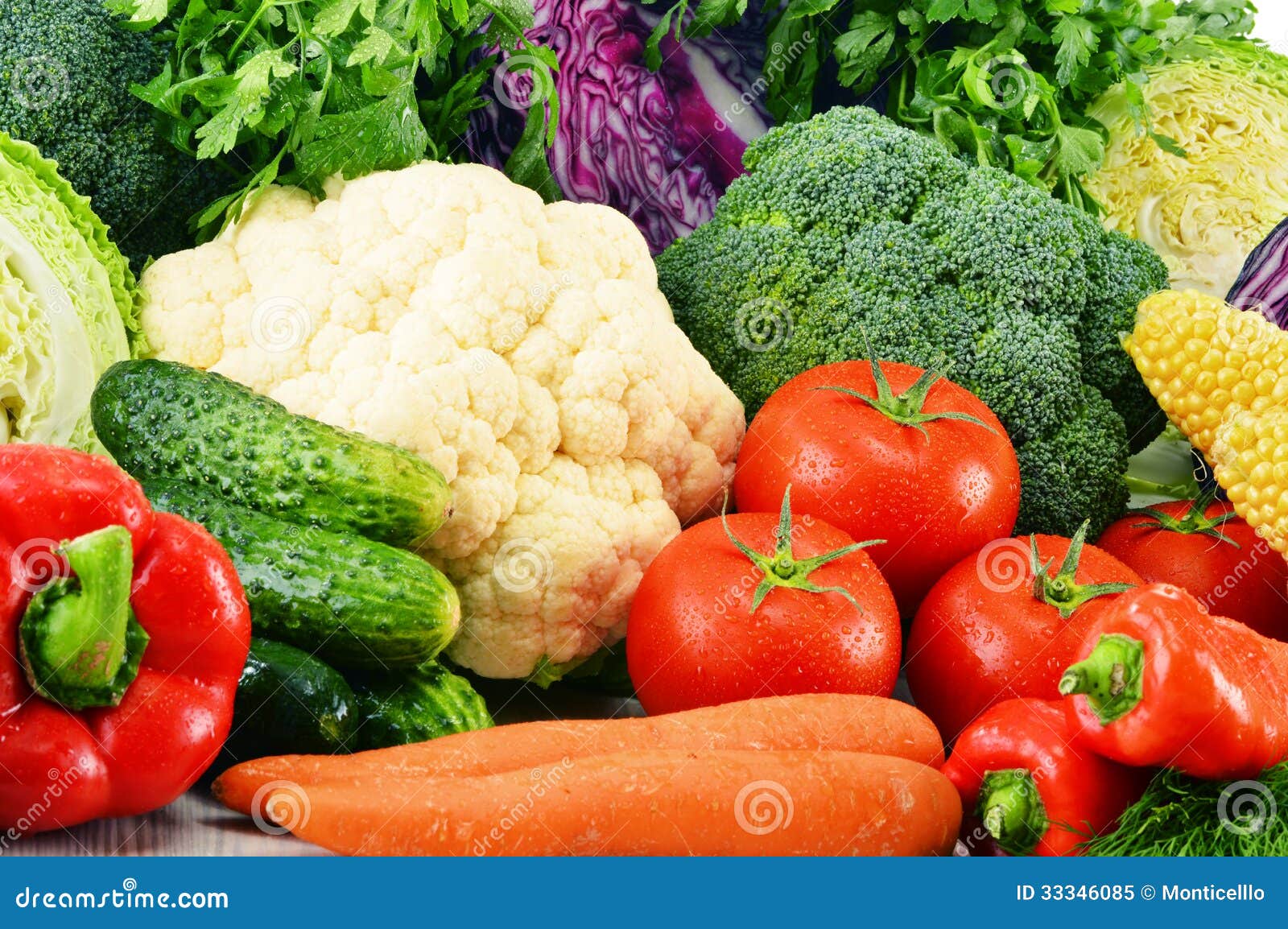
Reds and oranges deliver powerful antioxidants like lycopene, beta-carotene, and vitamin C. Tomatoes, red peppers, strawberries, grapefruit, carrots, sweet potatoes, and winter squash bring brightness and protective compounds that support immune function and skin health. Cooking tomatoes in olive oil can enhance lycopene absorption, while pairing carrots or squash with a source of healthy fat helps your body convert beta-carotene to vitamin A. Try a roasted carrot and red pepper soup, a tomato and lentil stew, or a yogurt bowl topped with strawberries and orange segments for a fresh, zesty lift. For busy days, batch-roast sweet potatoes and red peppers to add to grain bowls or salads through the week. Balance the natural sweetness of fruits with protein and fiber—think cottage cheese with grapefruit or hummus with red pepper strips—to help maintain steady energy. These warm tones add comfort, vibrancy, and functional nutrients to your plate, meal after meal.
Greens for Everyday Strength
Greens are the foundation of rainbow eating, offering folate, vitamin K, magnesium, and plant nitrates that support circulation. Leafy choices like spinach, kale, arugula, and romaine pair well with crucifers—broccoli, Brussels sprouts, and cabbage—rich in sulforaphane and other protective compounds. The chlorophyll in dark greens partners with a spectrum of minerals, while their fiber supports fullness and digestive rhythm. For easy absorption of non-heme iron, add a source of vitamin C—lemon, bell pepper, or citrus segments—to your salads. Massage kale with olive oil and a pinch of salt to soften its texture; sauté spinach with garlic; or blitz herbs into a quick pesto to drizzle over grains and beans. A handful of broccoli sprouts can elevate sandwiches and bowls with a concentrated burst of phytochemicals. When bitterness shows up, balance it with acid, fruit, or creaminess. With so many textures and flavors, greens fit seamlessly into any meal style.
Blue and Purple Protection
Blue and purple foods are rich in anthocyanins and polyphenols that may support vascular health, cognitive function, and recovery from everyday stressors. Blueberries, blackberries, plums, purple cabbage, eggplant, purple potatoes, and grapes bring deep color and layered flavor to your menu. Add frozen berries to smoothies and oatmeal, toss purple cabbage into crunchy slaws, or roast eggplant until silky and finish with garlic and herbs for an umami-rich side. Black or purple rice can anchor a vibrant bowl with tofu, greens, and citrus. These foods also deliver fiber and hydration, supporting digestion and satiety. For a satisfying snack, pair berries with yogurt and nuts to combine protein, healthy fat, and color-driven antioxidants. If you crave dessert, a warm berry compote over chia pudding offers natural sweetness without heavy syrups. Rotating blue and purple picks during the week helps round out your phytonutrient intake and keeps meals visually exciting.
Whites and Browns Count Too
Neutral tones contribute valuable nutrition, so don't overlook whites and browns. Alliums—onions, garlic, leeks—contain allicin and quercetin, while mushrooms offer ergothioneine and savory umami that enhance plant-forward dishes. Cauliflower, parsnips, potatoes, pears, oats, barley, and walnuts bring fiber, prebiotics, and often resistant starch, supporting a healthy microbiome and balanced appetite. Roast cauliflower with spices for caramelized edges, blend parsnips into silky soups, or sauté mushrooms to enrich pasta and grain bowls. Build a hearty breakfast with oats, cinnamon, and walnuts for steady energy, or make a tahini drizzle to add creaminess without heavy dairy. Whole-grain bread, brown rice, and quinoa can anchor colorful vegetables, while potatoes with skins provide potassium and texture—try wedges baked with garlic and rosemary. This palette may look subtle, but it supplies grounding flavors, sustained fuel, and structural variety that help the brighter colors shine while rounding out mineral and fiber needs.
Practical Rainbow Strategies
Colorful eating thrives on simple systems. Start with a balanced plate: half vegetables and fruit, a quarter protein, and a quarter whole grains or starchy vegetables, finished with healthy fats. Plan a few anchor recipes—like a rainbow grain bowl, frittata loaded with vegetables, and a hearty stew—then rotate colors based on what's freshest. Embrace meal prep: wash and chop produce, roast a tray of mixed vegetables, and cook a pot of grains for easy assembly. Keep frozen produce on hand; it's convenient, budget-friendly, and often flash-frozen at peak ripeness. Use flavor builders—acids, herbs, spices, and umami—to make vegetables craveable. Store prepped items in clear containers so color cues spark ideas. Create snack boxes with sliced peppers, berries, snap peas, and nuts for grab-and-go balance. Track variety by jotting color checkmarks through the week, not to chase perfection but to encourage consistency. The formula is simple: color + fiber + protein + healthy fat equals satisfying, vibrant meals.