Fit Matters: How to Find Silhouettes That Flatter
Find silhouettes that flatter every shape: master proportion, highlight your best features, and create polished outfits that feel as good as they look.
Understand Your Proportions
Your most flattering silhouette starts with proportion. Map your frame by noting shoulder width, waist position, hip placement, and the balance between torso and legs. Aim for visual balance using vertical thirds instead of equal halves, because thirds feel naturally harmonious. If your legs read shorter, create length with a high-rise bottom, a column of color, or shoes that blend with your hem. If your torso reads long, try a cropped jacket or a tucked top to lift the eye. Consider scale as well: slimmer cuts pair well with delicate details, while bolder shapes need sturdier accessories to keep visual weight cohesive. Observe how necklines change the canvas of your upper body; a V-neck lengthens, a boat neck broadens, and a crew neck centers. Use mirrors and quick photos to see what your eye notices first. The goal is not to change your body, but to place lines so the eye travels smoothly, creating a balanced silhouette that looks intentional and effortless.
Choose Fabrics and Structure Wisely
Silhouette is shaped as much by fabric as by cut. Seek the right mix of drape, structure, and ease. Fluid fabrics like jersey or silk blends skim and soften edges, while structured twills, suiting, and denim create crisp architecture that holds shape. Medium-weight weaves often deliver the best of both worlds, offering support without stiffness. Look for subtle stretch to move comfortably and recover shape, yet avoid excessive elasticity that clings where you prefer glide. Lining adds opacity and smoothness; interfacing in collars, waistbands, and plackets preserves clean lines. Test fabric with a simple pinch and shake: if it collapses instantly, you will get flow; if it resists, expect structure. Match fabric to intention: a sculpted blazer over a fluid dress, a drapey blouse tucked into tailored trousers, or a structured skirt with a soft knit. When fabric behavior supports your design goal, your outfit reads polished, and the silhouette integrity stays sharp from morning to evening.
Master Lengths and Hemlines
Strategic lengths are powerful tools. Position hemlines near slimmer areas to emphasize refinement and avoid cutting across the widest point. Cropped trousers that reveal the ankle create lightness and a clean break above the shoe. Full-length pants that just kiss the top of the heel lengthen the leg through uninterrupted continuity. Skirts that hit just above or just below the knee often flatter, while midi lengths are most graceful when they land at a narrow spot on the calf. Use rise to sculpt proportion: a higher rise lifts the waist, a mid rise balances, and a lower rise lengthens the torso. Sleeve lengths matter too; bracelet or three-quarter sleeves carve out elegant negative space and highlight the waist area. Experiment with high-low hems, slits that add motion, and subtle asymmetry to guide the eye. Calibrate shoe shape to hem: sleek uppers extend the line, while heavy soles add punctuation. Precise hemlines make every silhouette look intentional.
Strategic Lines, Seams, and Details
Lines tell the eye where to travel. Vertical elements elongate, diagonals add movement, and horizontals stabilize but can also broaden. Seek princess seams, darts, and paneling that follow your curves, refining shape without squeezing. A well-placed V-neck lengthens the neck and centers the face; wrap fronts create gentle diagonal lines that define the waist. Pleats that start flat and release lower keep volume controlled. Pocket placement is crucial: higher back pockets lift, angled front pockets slim, and oversized flaps can add bulk. Consider seaming that forms subtle columns, and choose contrast piping or topstitching only where you want focus. Patterns should match your scale; small motifs can get busy, large ones can overwhelm. Belts and buckles act as focal points; adjust width to your frame so they support rather than dominate. When lines, seams, and details collaborate, the garment becomes a quiet strategist, shaping a flattering silhouette without shouting for attention.
Build a Fit Routine and Tailor
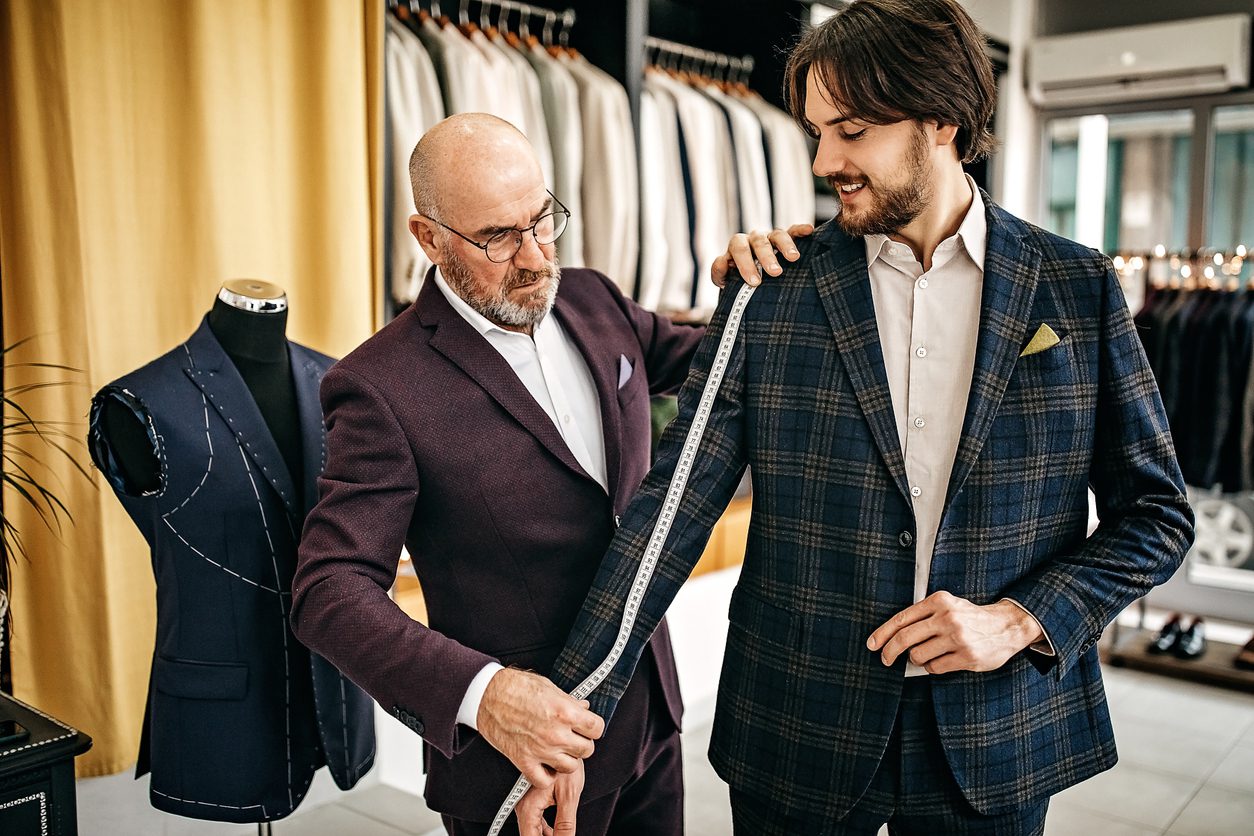
Great style is a process. Create a repeatable fit routine: move, sit, reach, and walk in every piece. Use the two-finger waistband check for comfort, verify shoulder seams sit at the shoulder point, and ensure zippers lay flat. Look for whiskering, pulling, or puddling that signals poor ease allowance. Photograph outfits in natural light from multiple angles to spot proportion issues quickly. Embrace alterations; small tweaks deliver big returns. A hem at the right break, tapered sleeves, adjusted darts, or a nipped-in back seam can transform off-the-rack into made-for-you. Ask a tailor about original-hem preservation for denim, discreet waist adjustments, and adding tiny gussets for mobility. Keep notes on preferred rises, inseams, sleeve lengths, and shoulder widths to guide future shopping. Care matters too: pressing restores structure, steaming revives drape, and proper storage protects line. Consistent checks plus smart tailoring turn almost-right pieces into signature winners.
Create a Versatile Silhouette Wardrobe
Build a toolkit of signature silhouettes you can remix. Start with a capsule of anchor pieces that define your lines: a sharp blazer, a fluid skirt, tailored trousers, an elegant knit, and a column-building dress. Use the third piece to complete proportions—an open jacket, long vest, or structured cardigan that frames and refines. Keep a cohesive color story to support a seamless mix-and-match approach, then add texture for depth without bulk. Play with uniform dressing by repeating a proven combination—cropped jacket plus high-rise wide-leg, or slim top plus A-line skirt—while rotating fabric, color, and accessories. Choose belts, necklaces, and shoes that echo your chosen lines, reinforcing vertical flow or creating intentional breaks. Prioritize seasonless layers that skim rather than cling, so transitions stay sleek. Track cost per wear and favor pieces that earn frequent rotation. With a curated set of silhouettes, every outfit feels confident, coherent, and unmistakably yours.