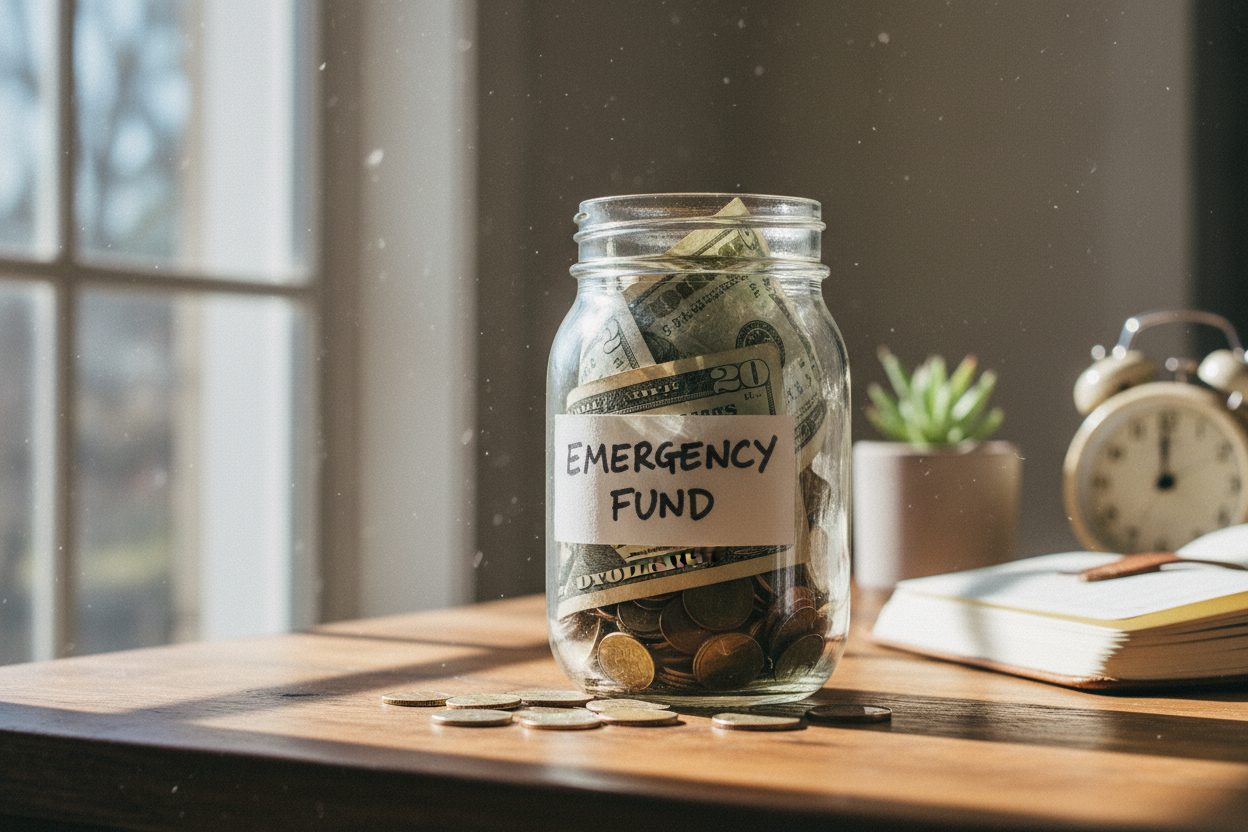
How to Build an Emergency Fund, One Paycheck at a Time
Build a cash safety net without stress. Learn to set your target, automate savings, and grow an emergency fund one paycheck at a time.
Start With Why An Emergency Fund Matters
An emergency fund is the quiet hero of personal finance, a financial cushion that keeps everyday surprises from becoming long-term setbacks. When a tire blows, your hours are cut, or a minor medical bill pops up, cash on hand helps you stay calm and decisive. Without a buffer, many people turn to high-interest debt, which can snowball and strain future paychecks. A dedicated fund interrupts that cycle by preserving your cash flow and protecting your goals, whether you are paying down loans, saving for a home, or building retirement contributions. Think of it as a stabilizer for your budget, creating liquidity exactly when you need it and buying you time to make thoughtful choices. It also reduces stress, which is an underrated financial advantage. When you know you can cover life's surprises, you negotiate better, avoid rushed decisions, and maintain peace of mind. A strong emergency fund supports confidence, flexibility, and long-term financial stability.
Set a Realistic Goal and Timeline
Clarity turns a good intention into a plan. Start by estimating essential expenses: housing, utilities, groceries, transportation, insurance, and minimum debt payments. This baseline tells you what you must cover to keep life running. Many people aim for several months of essentials, but it is smart to phase your target. Begin with a quick win like one week of expenses, then one month, and build from there. Small milestones create momentum and make progress visible. Choose a timeline that fits your cash flow and tolerance for change, and expect to adjust it as income and costs evolve. If your earnings fluctuate, base contributions on a conservative average and top up after stronger months. Visualize your goal in clear numbers rather than vague intentions, and track it in one place so you can celebrate when each milestone is reached. The key is a target that stretches you without causing burnout, keeping your safety net steadily growing.
Pay Yourself First, Every Paycheck
Consistency beats intensity. The pay yourself first approach moves saving from optional to automatic. Decide on a fixed amount or percentage and schedule it to leave your checking account the day income arrives. Automation eliminates friction, reduces forgetfulness, and prevents you from spending your plan. If possible, use direct deposit to split a portion into a separate savings account, reinforcing mental accounting. Treat this transfer like a nonnegotiable bill, just as essential as rent or utilities. Even modest amounts compound into meaningful progress when applied every paycheck. To add flexibility, consider a base contribution plus a small percentage of any overtime or bonus. You can also apply simple rules, like allocating a portion of any windfall to your fund. The goal is consistency over perfection. When life gets busy, the system keeps working in the background, supporting your discipline and making your emergency fund grow with minimal effort. Out of sight, out of mind becomes out of checking, into savings.
Trim Expenses Without Feeling Deprived
Cutting costs works best when it feels sustainable. Start with a spending audit: scan statements for recurring charges you do not use, overlapping services, or plans that exceed your needs. Downgrade where possible, and set reminders before trial periods renew. Negotiate bills such as connectivity, insurance, or memberships; a polite call can unlock loyalty discounts or better tiers. Replace high-cost habits with lower-cost alternatives, like brewing coffee at home on weekdays and saving dining out for special plans. Build routines that reduce waste: meal planning, packing snacks, and using a list at the store. Consolidate errands to save fuel, and adjust climate control thoughtfully to trim utilities. Frame each change as a substitution, not a sacrifice, and direct the savings immediately into your emergency account so gains do not evaporate. Celebrate small wins, because they compound. Every dollar you free today buys you resilience tomorrow, and aligning spending with values makes your budget feel more empowering than restrictive.
Boost Income to Accelerate Savings
When expenses are already lean, increasing earnings can speed up your fund dramatically. Consider multiple income streams that fit your skills and schedule: project work, tutoring, deliveries, freelance tasks, or occasional consulting. Audit your strengths and list services you can offer quickly without heavy startup costs. Sell unused items to clear space and convert clutter into cash. If your role allows, ask for overtime, broaden responsibilities that warrant a raise, or propose performance-based incentives. Seasonal opportunities can be perfect for short, focused sprints that move the needle. Set a simple rule to capture extra income, such as directing a fixed share straight into savings the day it arrives. Keep a lightweight tracking system so you see the direct link between extra effort and growing security. The aim is not to work endlessly, but to create targeted surges that lift your cash buffer. A bit of creativity and consistency can transform small gains into a fully funded safety net.
Keep Your Fund Accessible but Not Tempting
Your emergency fund should be liquid, safe, and slightly out of reach to prevent casual spending. Use a separate account dedicated to emergencies so the money is visible yet distinct from daily cash. This separation strengthens self-control and clarifies your purpose when decisions arise. Keep the fund in a low-risk place designed for quick access rather than in volatile investments that can lose value at the wrong moment. Consider labeling the account with a motivating name to reinforce its role. Create gentle barriers to impulsive withdrawals, like not carrying the card linked to that account or requiring a transfer step. Define clear rules for use: sudden income loss, medical needs, urgent home or car repairs, and essential travel for family emergencies. If an expense does not protect health, work, shelter, or safety, it probably does not qualify. This structure preserves your peace of mind and ensures the fund is there precisely when you need it most.
Maintain, Replenish, and Grow
An emergency fund is a living system. After any withdrawal, prioritize replenishment before resuming other extras, restoring your buffer as soon as practical. Schedule a periodic review of expenses and adjust your target if housing, insurance, or family needs change. As income rises, consider nudging contributions upward to outpace rising costs and strengthen your financial resilience. Once you hit your goal, keep a small automatic contribution to account for inflation and to replace occasional minor emergencies. Then reroute the rest toward other priorities, such as debt reduction, retirement, or future purchases, so your budget continues to reflect your values. Watch for lifestyle creep and let your systems protect you from it. A fully funded safety net turns crises into inconveniences and supports confident choices. By maintaining clear rules, steady habits, and smart adjustments, you keep your emergency fund durable, responsive, and ready to guard your broader financial goals over the long run.