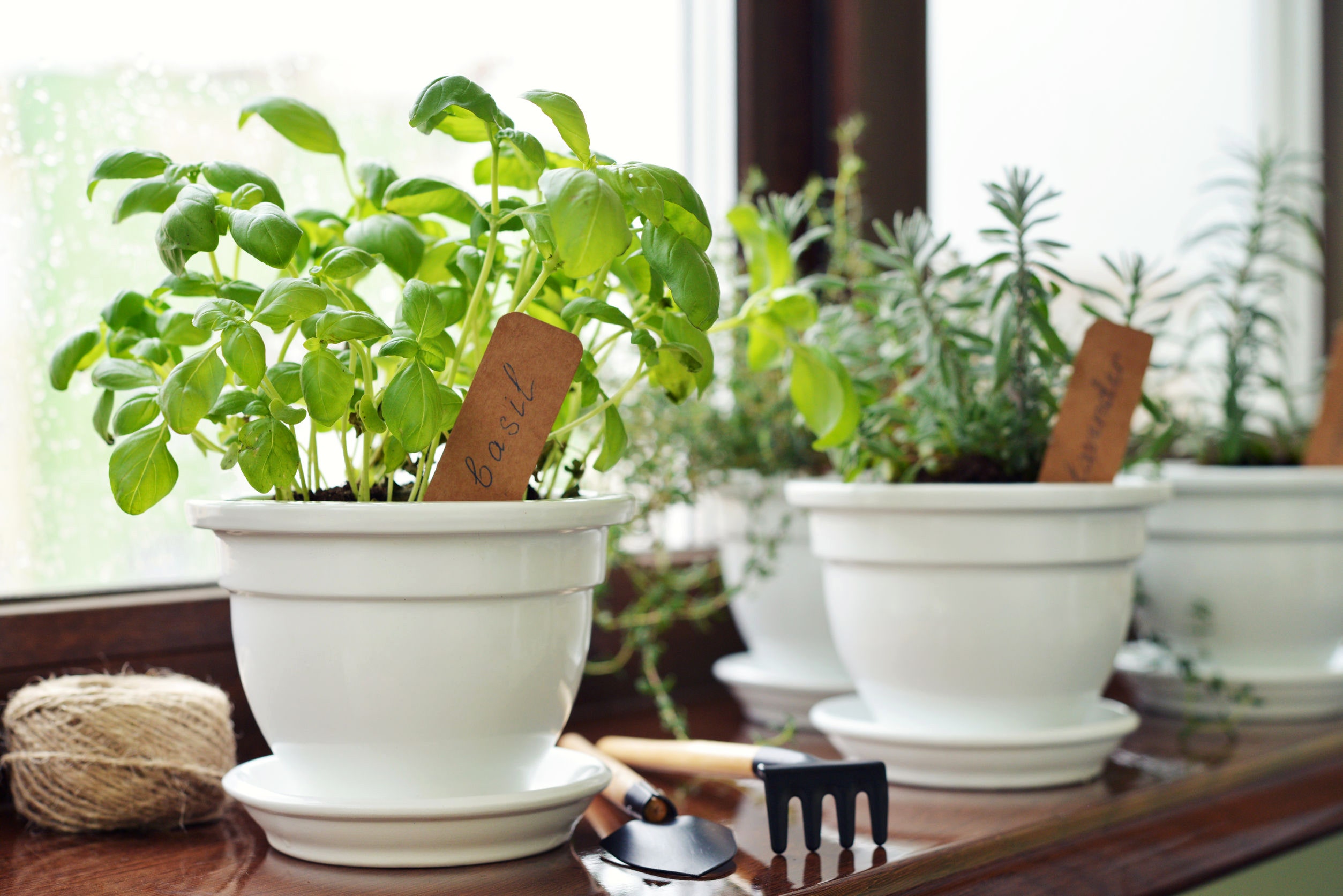
Kitchen Herb Gardens: Fresh Flavor at Your Fingertips
Bring restaurant-level flavor home with a compact kitchen herb garden. Learn what to grow, where to place it, and how to keep herbs thriving year-round.
Choosing Your Herbs: Start your kitchen herb garden by selecting a mix of easy, flavorful plants that match how you cook. Reliable starters include basil for bright, peppery notes, mint for cool freshness, chives and parsley for everyday garnish, thyme and rosemary for savory depth, and cilantro for citrusy zing. Think about growth habits and choose varieties that fit your space and schedule. Mint spreads vigorously, so give it its own pot. Perennial herbs like rosemary and thyme can thrive for multiple seasons, while tender herbs like basil benefit from frequent reseeding or new starts. Aim for three to five herbs at first to keep care simple and focused. Consider culinary versatility, aroma, and how often you use each herb. If you love sauces and salads, basil and parsley are workhorses; for roasts and vegetables, rosemary and thyme shine. Pair compatible herbs with similar needs, a gentle form of companion planting that simplifies watering and light management.
Light, Water, and Soil Basics: Most culinary herbs crave bright light, ideally six or more hours daily. A sunny south or west window is prime; east-facing can work for tolerant herbs like mint and parsley. If your space is dim, supplement with a simple grow light, placed close enough to avoid leggy, weak growth. Water deeply but less often, letting the top inch of soil dry before the next drink. Use the finger test instead of a strict schedule to prevent overwatering. Choose a well-draining potting mix enriched with perlite or pumice for airflow to roots; avoid dense garden soil in containers. A mild, balanced fertilizer every few weeks keeps plants vigorous, but go light to preserve flavor intensity. Maintain moderate humidity by grouping plants or placing them on a pebble tray, and rotate pots weekly so stems grow evenly. Good airflow helps prevent fungal issues without chilling your herbs.
Containers and Layout: Pick containers with ample drainage holes to protect roots from standing water. Terracotta breathes and helps prevent soggy soil, while glazed ceramic retains moisture longer; choose based on your watering habits. Self-watering planters are great for busy cooks, but still use a light, airy mix. Add saucers to protect windowsills and counters. Size matters: small pots are fine for chives and parsley, while rosemary appreciates deeper space for its woody roots. Arrange herbs by water needs to simplify care, keeping thirstier basil and parsley together and drought-tolerant thyme and rosemary nearby. Vertical shelves, wall pockets, and tiered stands maximize light and space, especially on compact countertops. Leave space between pots for airflow and easy harvests. Label varieties to track care differences and flavor profiles. Keep scissors or snips handy and a small compost bin for trimmings. A tidy, intentional layout turns care into a quick, enjoyable routine and keeps fresh flavor within arm's reach.
Planting and Care: Start from seeds for variety and cost savings, or use healthy transplants for a faster harvest. When sowing seeds, plant shallowly and keep the surface evenly moist until germination. For transplants, loosen roots gently and set them at the same depth as in their nursery pot. Practice regular pinching and pruning to encourage bushiness: snip basil just above a leaf pair, trim thyme lightly to stimulate new greenery, and avoid cutting into woody rosemary stems too hard. Watch for pests like aphids or fungus gnats; improve airflow, avoid overwatering, and use gentle soapy water rinses if needed. Quarantine new plants for a few days to prevent hitchhikers. If stems stretch, increase light or lower your grow light. Yellowing leaves can signal water or nutrient imbalance; adjust gradually. Feed lightly during active growth, and rotate containers weekly for even development. Consistent, observant care keeps your kitchen garden lush and productive.
Harvesting and Using: Smart harvesting keeps herbs vigorous and your dishes vibrant. Take frequent, small cuttings rather than rare, heavy ones, never removing more than one third at a time. For basil, snip above a node to spark branching. Strip thyme and rosemary from woody stems after cutting a sprig, and use leaves in roasts, soups, and marinades. Tender herbs like cilantro and parsley shine when added near the end of cooking to preserve aroma and color; woody herbs can simmer longer to infuse depth. Store tender stems in a glass of water like a bouquet, loosely covered, or wrap leaves in a damp towel in the fridge. Preserve extras by freezing chopped herbs in olive oil cubes, blending into herb butter, or mixing with salt for quick finishing blends. Keep a small bowl of snipped herbs by the stove so flavor is literally at your fingertips, ready for eggs, grains, salads, and sauces.