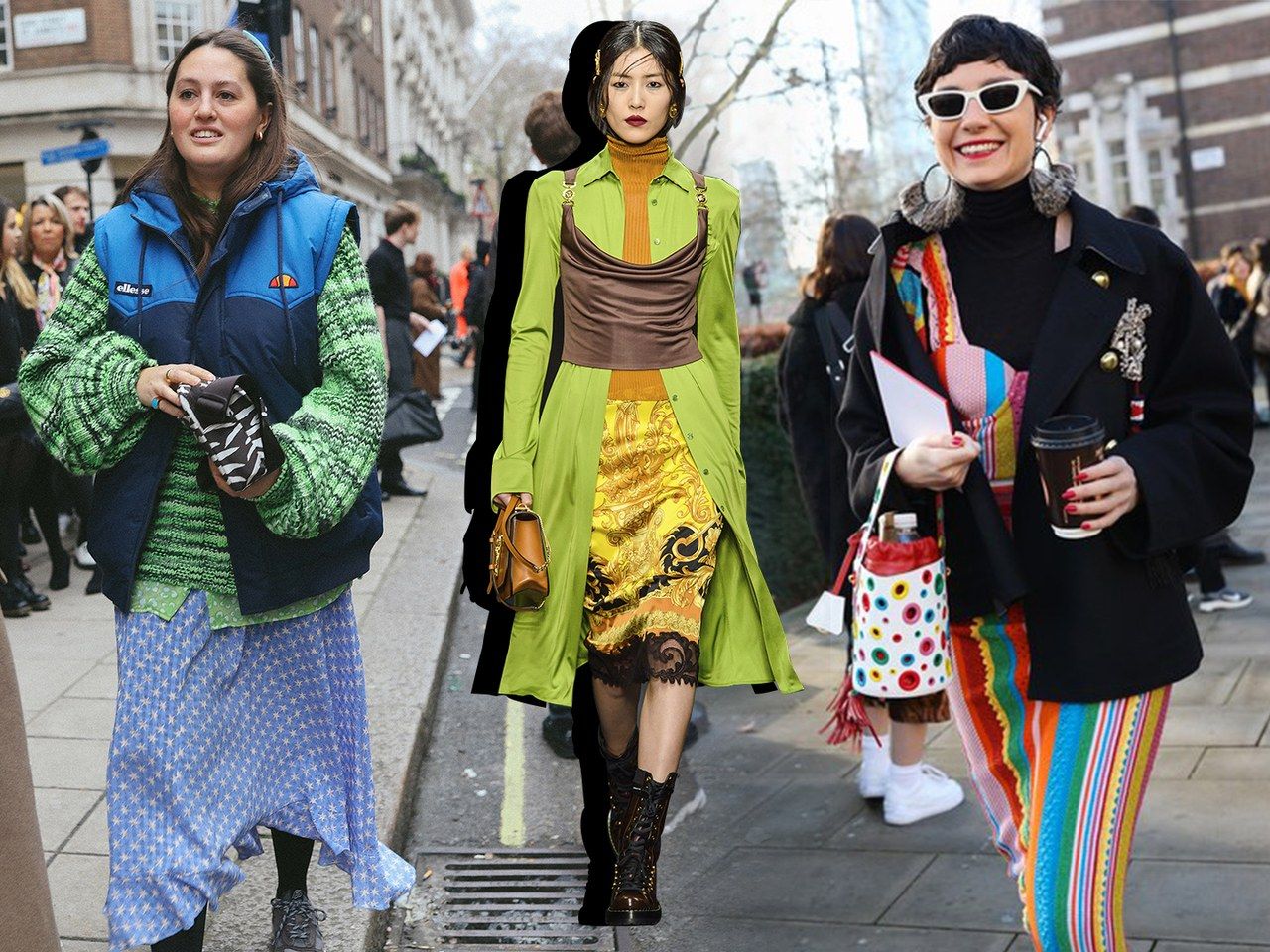
Mastering Layers: Texture, Proportion, and Balance
Master layering with texture, proportion, and balance—learn how to mix fabrics, play with volumes, and build polished outfits for every season.
Texture, the Quiet Architect
Layering begins with texture, because texture dictates how pieces read under light, how they stack, and how they move. Combine matte and sheen to add depth without chaos: a crisp cotton poplin under a brushed wool blazer creates a quiet contrast that looks considered. Pair chunky knits with sleek bases, like a ribbed cardigan over a silk camisole, to let dimension sit closest to the eye while smooth fabrics streamline the silhouette. Consider pile height and gauge so layers slide rather than snag; heavier nap should sit on top to avoid friction and bulk. Mix woven structure with knit elasticity for comfort and shape retention. Ground tactile interest with neutrals, then add a single high-luster element—satin scarf, patent belt—to channel light. If you prefer minimalism, vary weave and finish within one color family to craft depth without prints. Texture is the quiet architect that turns simple pieces into a layered composition.
Proportion Drives the Silhouette
Great layering is really measured in proportion. Think in units—thirds, halves, and quarters—so each layer divides your frame with intention. The classic long over lean formula places an elongated coat or cardigan over a fitted base to create a clean vertical. Conversely, short over long sharpens the waist and preserves leg line when a cropped jacket tops a fluid midi. Use hemlines as boundary markers; staggering them by a hand width avoids clumping and keeps the eye traveling. Create a column of color down the center with a matching top and bottom, then frame it with a contrasting layer for instant height. Adjust volume through tucks, belts, and drawcords to compress or release space where needed. Sleeve play matters: push or roll to reveal wrists, a small area that adds lightness. Shoes and bags finish the math—sleek footwear elongates, chunkier soles anchor volume above. Proportion shapes the story your layers tell.
Balancing Weight, Volume, and Movement
Balance is the art of distributing weight, volume, and movement so the outfit feels stable and alive. Start with fabric weight: pair airy materials with one grounded piece—denim, leather, or structured wool—to keep floaty layers from looking untethered. Let volume occur in one region at a time: a full skirt calls for a trim top; a slouchy sweater loves a tapered pant. Manage movement through slits, vents, and open fronts that allow air to travel, preventing the marshmallow effect. Use negative space—exposed necklines, forearms, or an open jacket—to relieve density. If your top is oversized, shorten the hem or add a slight front tuck to restore momentum. Accessories can counterweight: a substantial boot steadies a swishy dress; a slim belt reins in drapey trousers. Consider drape and structure together—soft underpinnings relaxed by a tailored shell, or tailored bases softened by a fluid topper. When weight, volume, and movement harmonize, layers look effortless.
Color, Pattern, and Visual Rhythm
Color sets mood; pattern sets rhythm. Build harmony with a tonal stack—shades of one hue from light to dark—so texture does the talking. For bolder statements, use analogous colors that sit side by side on the spectrum for low-risk cohesion. Keep contrast strategic: place the highest value shift near the face to brighten, then reduce contrast in outer layers for polish. Mix patterns by varying scale and density—one large motif, one small, anchored by a solid. Stripes act as a neutral when their palette repeats tones elsewhere. Metallics behave like elevated neutrals, catching light without stealing the narrative. If an outfit feels busy, remove one print or mute a color with a darker topper. Use color blocking to engineer shape: darker panels recede, lighter ones advance, creating built-in contouring. Repeat a color at least twice—scarf and shoe, cuff and bag—to weave continuity through your layers.
A Layering Workflow You Can Trust
Build with a repeatable workflow. Step one: create a base column in a comfortable fabric—matching top and bottom or close tonal neighbors. Step two: add a mid layer for texture and shape, such as a knit vest, lightweight jacket, or overshirt. Step three: crown with a topper that sets proportion—trench, blazer, or chore coat—evaluating hem alignment and sleeve reveal. Pause for checkpoints: sit, reach, and walk to test mobility; view side and back angles for bulk accumulation. Edit using the one-in, one-out rule—if a scarf goes on, maybe a long necklace comes off. Calibrate for climate with breathable fibers near skin and insulating layers outside. Favor modular pieces that compress or unzip so you can recalibrate midday. Finish with texture punctuation—matte bag against glossy boot, suede against crisp poplin. Finally, steam, lint-roll, and balance edges; polish is the quiet difference between stacked clothes and true layering.