Natural Pest Control for a Healthy Garden
Protect your garden the natural way: use IPM, beneficial insects, barriers, and gentle organic sprays to curb pests and build lasting resilience.
Natural balance: the foundation of pest control
A thriving garden is an ecosystem, not a battlefield. Embracing ecosystem balance means working with nature so pests stay below damaging levels. Start by setting action thresholds rather than reacting to every insect you see. Regular monitoring helps you distinguish cosmetic nibbling from real harm. Learn to identify pests and their life stages, and equally important, learn your beneficial predators such as lady beetles, lacewings, and predatory ground beetles. Many outbreaks trace back to stressors like overwatering, poor drainage, or excess nitrogen that triggers soft, pest prone growth. Improve airflow, avoid crowding, and water at the base to limit conditions that favor disease. Encourage biodiversity with a mix of plant types, heights, and bloom times so there is constant food and shelter for helpful organisms. Instead of quick fixes, ask what conditions allowed the problem. Adjusting microclimate, soil, and plant care creates a self regulating system where natural predators and competitors keep pests in check, resulting in a healthier, more resilient garden.
Build resilient soil to deter pests
Healthy plants resist pests, and healthy plants start with soil health. Incorporate compost and other organic matter to feed the soil food web, improving structure, drainage, and nutrient availability. A layer of mulch moderates temperature, conserves moisture, reduces weed pressure, and protects the soil surface from compaction. Aim for steady, slow release nutrition rather than quick, high nitrogen feeds that invite aphids and soft growth. Manage pH and ensure adequate drainage so roots can breathe. Reduce compaction by avoiding tilling when soil is wet and by using paths or boards between rows. Water deeply and infrequently to encourage deep roots, and irrigate early in the day to limit leaf wetness that fosters disease. Rotate plant families to disrupt soil born pest cycles, and consider cover crops to add biomass and support beneficial microbes. Good soil amplifies plant resilience, helping them outgrow minor damage and recover quickly while making the environment less hospitable to persistent pest populations.
Recruit beneficial allies
Harness the power of beneficial insects and garden wildlife to do much of the work for you. Lady beetles, lacewings, hoverflies, parasitic wasps, and predatory mites feed on aphids, caterpillars, and mites. Ground beetles hunt at night, while birds and bats help control flying pests. Support these allies with habitat and food. Plant nectar and pollen rich flowers such as dill, fennel, cilantro, alyssum, calendula, and yarrow to fuel adult predators whose larvae eat pests. Aim for continuous bloom across the seasons, mixing heights and shapes to accommodate diverse mouthparts. Provide shallow water sources with pebbles for safe perches, and leave some leaf litter, twigs, and hollow stems for nesting and overwintering. Install simple insect hotels or keep a small brush pile or hedgerow. Minimize or avoid broad spectrum sprays that disrupt this living workforce. By building a welcoming environment, you create a dynamic, self maintaining system where pollinators, predators, and decomposers stabilize pest populations naturally.
Smart plant selection and companion planting
Start strong by choosing resistant varieties suited to your climate and soil, including locally adapted or native plants that coevolved with regional pests and conditions. Strengthen your defenses with companion planting and polyculture, which disrupt pest navigation and provide allies close at hand. Aromatic herbs like basil, rosemary, thyme, or chives can confuse certain insects while attracting beneficials with blooms. Use trap crops such as nasturtiums for aphids or mustard and radish for flea beetles, drawing pests away from prized plants. Monitor traps and remove infested material before populations explode. Interplant onions with carrots, or marigolds with tomatoes, to create mixed scents and structures that slow pest movement. Stagger plantings for succession so a single pest surge does not threaten the entire crop. Provide generous spacing to improve airflow and reduce disease pressure. The result is a richly layered planting that is harder for pests to target and easier for natural predators to patrol.
Physical barriers and good garden hygiene
When pests are relentless, barriers provide instant, chemical free protection. Use floating row covers, insect netting, or fine mesh to exclude moths, beetles, and leaf miners while allowing light and air. Secure edges well and remove covers during bloom if pollination is needed. Place cardboard or plastic collars around seedlings to block cutworms, and use copper bands or gritty barriers to discourage slugs and snails. Sticky traps can help monitor flying pest pressure, guiding your timing for interventions. Practice sanitation by removing diseased leaves, spent crops, and weeds that harbor pests, and clean tools between beds. Prune out infested shoots and destroy egg masses before they hatch. Time planting to avoid peak pest periods, and use reflective mulches to deter aphids in sensitive crops. A sharp jet of water can dislodge aphids and mites without harming beneficials. Combined with vigilant monitoring and thoughtful crop rotation, physical exclusion and cleanliness keep problems small and manageable.
Gentle, targeted remedies when needed
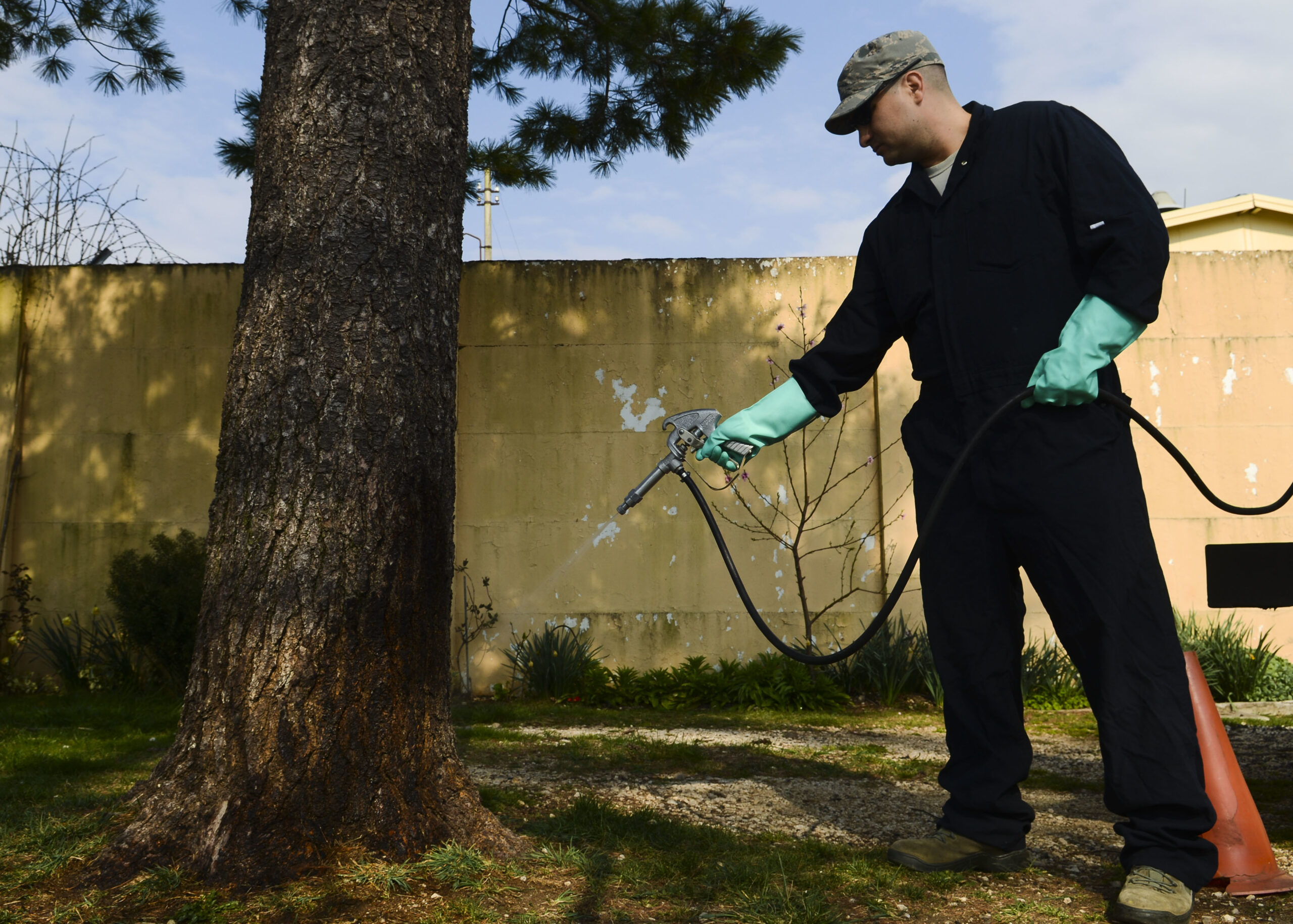
If a population crosses your action threshold, reach first for organic treatments that are selective and spot treat rather than blanket spraying. A simple soap spray made with 1 to 2 teaspoons mild liquid soap per liter of water can suppress soft bodied pests like aphids and whiteflies; test on a small area and avoid heat or bright sun. Neem oil or horticultural oils smother eggs and young insects when applied carefully to leaf undersides. Diatomaceous earth creates a mechanical barrier for crawling pests but must be reapplied after rain and kept away from blossoms. For slugs and snails, use iron phosphate baits or set beer traps sunk to soil level and refresh regularly. Kaolin clay forms a protective film that deters chewing and laying. Apply at dawn or dusk, avoid open flowers to protect pollinators, and reapply only as needed. Record what works, rotate methods to prevent resistance, and integrate treatments with habitat, soil health, and barriers for long term success.