Noise-Canceling Headphones Explained: What Matters Before You Buy
Confused by noise-canceling headphones? Learn how ANC works, key specs to compare, fit and comfort tips, and the trade-offs before you spend.
How Noise Canceling Works: At its core, active noise cancelation (ANC) uses tiny microphones to sample the environment and a processor to create an inverse waveform that reduces incoming sound through phase inversion. Designs vary: feedforward mics sit outside and capture ambient sound early; feedback mics monitor inside the ear cup to correct what you actually hear; hybrid systems combine both for broader coverage. ANC excels at steady low-frequency rumble like engine drone or air conditioning, while passive isolation still matters for higher-pitched chatter and quick transients. The DSP must balance cancellation strength with preserving the music signal, or artifacts like hiss, pressure sensation, or tonal shifts can creep in. Better implementations adapt in real time to fit, seal, and movement, because even a slight change in position alters the acoustic path. Remember that silence is not the only goal; the best systems reduce distraction without introducing fatigue, keeping your audio natural and your ears relaxed.
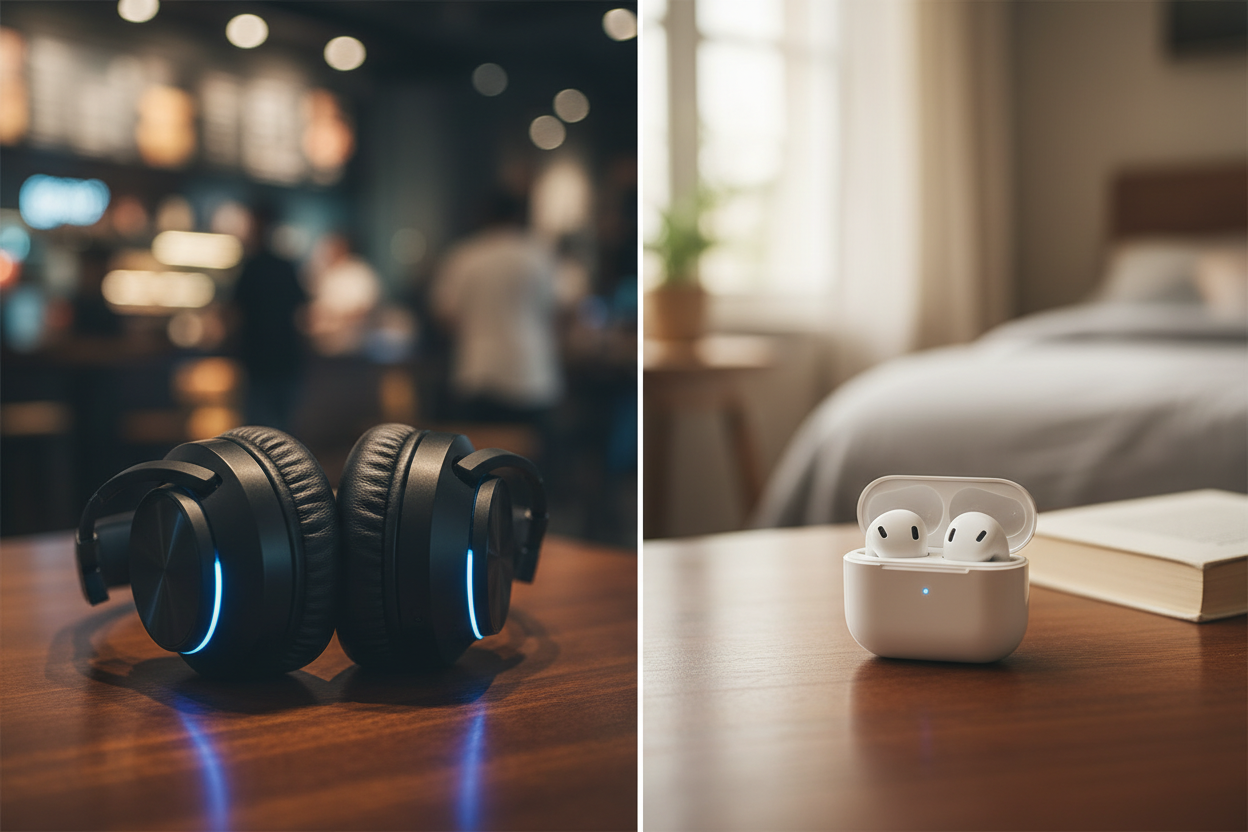
Fit, Seal, and Comfort: The seal you achieve is just as critical as the circuitry, because ANC builds on physical isolation. Over-ear models surround the ear and typically isolate better than on-ear designs, while in-ear options rely on tips that must fit snugly. Look for a gentle clamp force that secures the headphones without creating hotspots, plus plush memory foam pads that conform to your head and glasses. Weight distribution across the headband matters during long listening, as does breathable material that resists heat. Ear tips should come in multiple sizes and shapes; try foam and silicone to see which delivers the best seal without pressure. Small fit changes can swing both bass response and ANC effectiveness, so evaluate comfort during walking, chewing, and head turns. The right ergonomic blend keeps sound consistent, minimizes fatigue, and lets you wear the headphones for focused work, commuting, or extended travel without distraction.
Sound Quality Beyond Silence: Great ANC should not trade off musicality. Start with frequency response: a balanced tuning avoids boomy bass or harsh treble, letting vocals and instruments remain clear. Seek EQ options in the companion app so you can tailor sound to your taste or different content types. Wireless performance depends on codecs and implementation quality; higher-bitrate options can preserve more detail, while robust error correction prevents dropouts in busy environments. Consider latency if you watch video or game; some modes reduce delay to better sync lips and effects. Examine THD and dynamic behavior at realistic volumes, because some drivers compress or distort when ANC ramps up. A good wired mode can be useful on a plane or when conserving battery, and it sometimes sounds cleaner by bypassing extra processing. Ultimately, evaluate noise cancelation with music off and on; the best pairs maintain tonal consistency so your playlists stay engaging even as the world fades.
ANC Performance in the Real World: Lab specs only tell part of the story. Test ANC against low-frequency rumble on transit, mid-band office chatter, and unpredictable city soundscapes. Many models include adjustable levels or adaptive ANC that senses your surroundings and fit, boosting attenuation when needed while easing off for comfort. Pay attention to wind noise handling; some designs add filters or mic placement tricks to prevent whooshing outdoors. Switch on transparency mode to hear announcements or quick conversations, and check whether voices sound natural rather than thin or robotic. Movement, hair, and eyewear can break the seal, so do a few real-life motions to see how cancellation holds up. If you experience ear pressure or tonal pumping, try a lower ANC setting. Remember that human voices are harder to cancel than steady hums; a strong performer will tame engine drone significantly while still improving focus in cafes and open offices.
Controls, Connectivity, and Smarts: Everyday usability matters. Reliable multipoint pairing lets you keep a phone and laptop connected, switching calls and media without menu digging. Evaluate touch controls versus physical buttons; gestures are sleek but can misfire with moisture or gloves, while buttons offer tactile certainty. Wear detection pauses playback when you remove the headphones, preserving battery and convenience. Companion app customization often brings EQ, ANC profiles, and control mapping, so confirm the interface is intuitive. Stable Bluetooth, quick reconnection, and clear status prompts reduce friction in busy routines. Call quality depends on mic placement and noise suppression algorithms; test in wind, traffic, and echoey rooms to ensure your voice remains natural. Low-latency options help with video, while device-side settings like audio priority or connection quality modes tailor performance to your needs. Routine firmware updates can meaningfully improve features over time, making the product feel fresher and more dependable.
Battery, Durability, and Value: Long battery life with ANC engaged supports full workdays and long trips, while fast charging provides hours of playback from a short top-up. A modern USB-C port simplifies cable logistics. Assess build quality: metal-reinforced headbands, solid hinges, and smooth folding mechanisms survive daily commuting. Replaceable earpads extend lifespan and hygiene, and a protective case prevents scuffs in bags. Consider water and sweat resistance if you plan gym sessions or light rain use. Look for clear warranty terms and accessible service parts to protect your investment. Value is more than price; weigh consistent ANC, natural transparency, tonal balance, and comfort against nice-to-have extras you may not use. If you travel often, prioritize strong isolation and compact folding. If you take frequent calls, emphasize mic clarity. The right balance aligns features with habits, ensuring your headphones enhance focus, entertainment, and productivity across computers and consumer electronics.