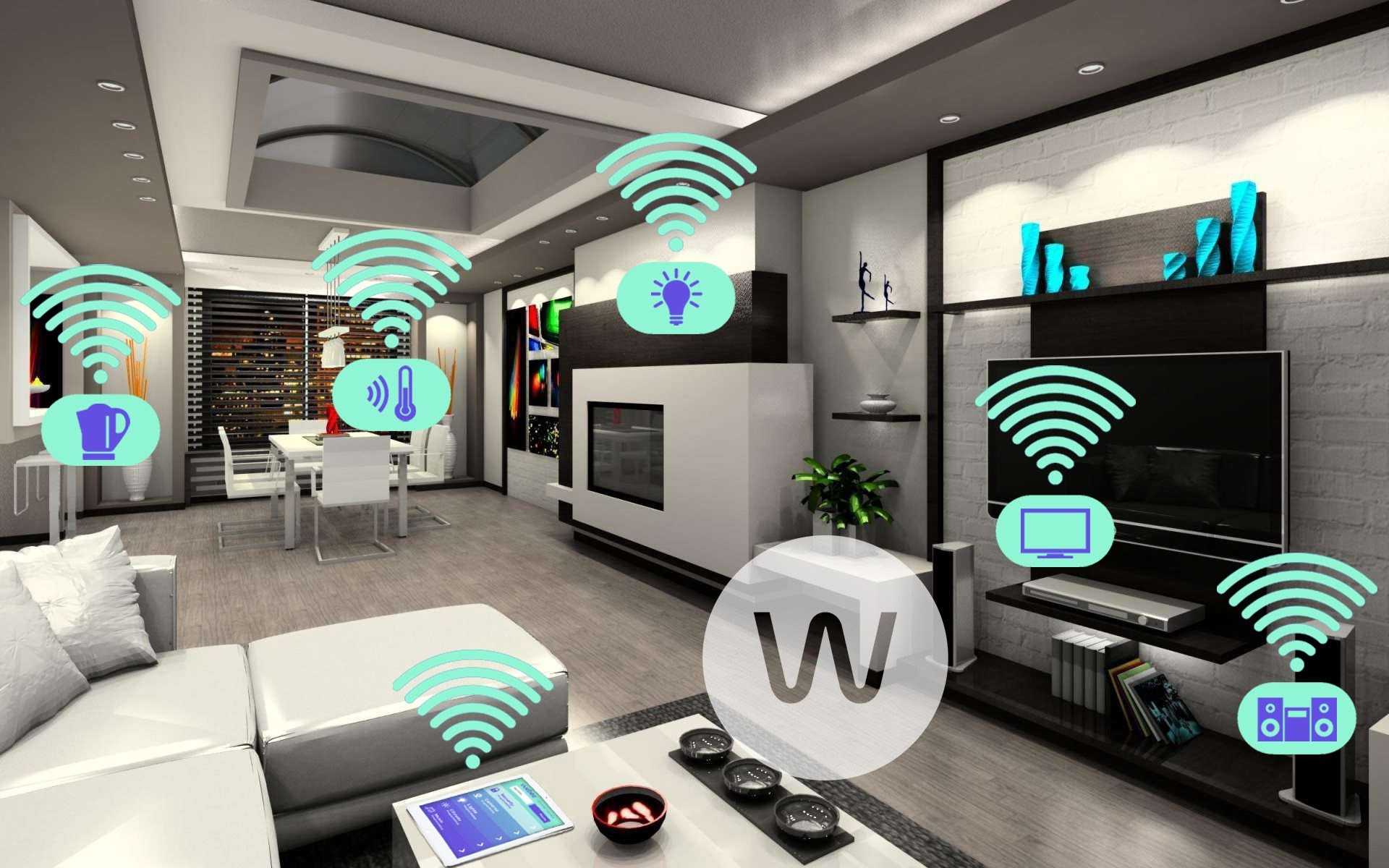
Smart Home Essentials: Devices That Actually Make Life Easier
Cut chores, boost safety, and save energy with a smart home that works. These essential devices deliver real convenience without the hassle.
Voice Assistants and Smart Speakers
A capable voice assistant anchored by a smart speaker is a simple on ramp to a smoother home routine. With hands free commands you can set timers, add shopping items, check the weather, control lights, or adjust the thermostat without hunting for a phone. Modern far field microphones hear you across a room, while wake word indicators provide helpful context. Build routines that bundle actions, like a morning sequence that opens shades, reads a brief calendar summary, and starts an upbeat playlist. Multi room audio keeps music synchronized when you entertain, and intercom style announcements save steps in larger homes. Choose an ecosystem that supports your devices and favorite services, then place speakers in high traffic areas like the kitchen or living room. Enable voice profiles so personalized results reach the right person, and set clear default services for music. Use built in privacy controls such as mic mutes and voice history management to stay in command of your data.
Smart Lighting That Adapts to You
Thoughtful smart lighting eliminates friction and creates comfort. Swappable smart bulbs excel at color and temperature shifts, while smart switches preserve wall control and work with standard fixtures. Start with rooms you use most, then layer scenes for evening relaxation, bright task work, or movie nights. Tie schedules to sunrise and sunset so lights adapt naturally, and use motion sensors in hallways, closets, and bathrooms to reduce wasted energy. Adjust color temperature to match circadian rhythms, choosing warm light for winding down and cooler tones for focused work. For security, presence simulation can vary lights when you are away, making your home look occupied. Combine lights with voice commands and physical controls so guests are never stuck. Maintain reliability by naming devices clearly, grouping rooms, and using dimmers where flicker free control matters. With efficient LEDs and automation, you gain comfort, convenience, and meaningful energy savings without extra effort.
Thermostats and Climate Control That Learn
A well tuned smart thermostat blends comfort with efficiency by managing temperature based on occupancy, habits, and weather. Use geofencing to warm or cool before you arrive, and let schedules cover consistent routines. If you prefer precision, set a manual schedule and tweak seasonally rather than relying entirely on learning modes. In larger homes, zoning or carefully configured smart vents can direct airflow where it is needed, though proper HVAC sizing remains essential. Many models support humidity control and can pair with air quality sensors to prompt ventilation when indoor air gets stuffy. Keep performance stable with a solid power source such as a C wire or approved adapter, and calibrate temperature offsets if your thermostat sits in a drafts prone hallway. Check energy reports to spot wasteful spikes and adjust set points slightly for big savings. Pair climate control with shades, ceiling fans, and automations for all day comfort without constant fiddling.
Security Without the Stress
Practical smart security starts with clear goals: awareness, deterrence, and privacy. Video doorbells and entryway cameras provide context for deliveries and visitors, while contact sensors and motion sensors cover doors, windows, and key hallways. Tune notifications with activity zones and person detection so your phone is not buzzing for every passing car. Decide between local storage and cloud backups based on your preference for convenience versus control. Wired power offers reliability for fixed locations, while battery models simplify placement; many households use a mix. For deterrence, link lights to motion after dark, or trigger a siren when a door opens unexpectedly. Privacy matters: use privacy zones, disable audio where appropriate, and place indoor cameras only where they serve a clear purpose. Test automations regularly and label sensors plainly so everyone understands what each device does. A calm, well tuned setup delivers peace of mind without overwhelming alerts.
Cleaning and Convenience You Will Actually Use
Automated cleaning shines when it reduces chores without creating new ones. A good robot vacuum handles daily crumbs and dust, while a robot mop tackles light spills and maintenance mopping. Look for accurate mapping, no go zones, and reliable docking so the devices need minimal babysitting. Schedule runs when the home is quiet or when you are away, and keep floors decluttered for best results. Maintain performance with simple routines: empty bins, clean brushes and filters, and replace parts on schedule. Beyond cleaning, smart plugs add brains to lamps, fans, and coffee makers, enabling schedules, energy monitoring, and voice control. Leak sensors near sinks and water heaters catch small issues before they become disasters, while irrigation controllers keep lawns consistent without waste. Garage door and gate controllers add peace of mind with status checks and remote closures. Start with the tasks you dislike most and automate there first for the biggest daily payoff.
Connectivity, Hubs, and Interoperability That Last
Reliable connectivity makes everything feel effortless. A strong Wi Fi mesh ensures coverage in tricky corners, while a dedicated hub or bridge can improve responsiveness for low power devices. Modern standards like Thread and Matter increase interoperability, supporting local control and reducing app sprawl. Give your devices clear names, organize by rooms and zones, and build scenes for common moments such as bedtime, arriving home, or movie time. Keep firmware updates current, enable two factor authentication, and place devices on a guest network when possible. For resilience, consider backup power for your modem, router, and hub so core automations continue during brief outages. Test automations with simple triggers before adding complexity, and always provide manual overrides through switches or buttons to keep the home friendly for visitors. With a stable foundation, your devices feel faster, routines behave predictably, and your smart home remains easy to live with.