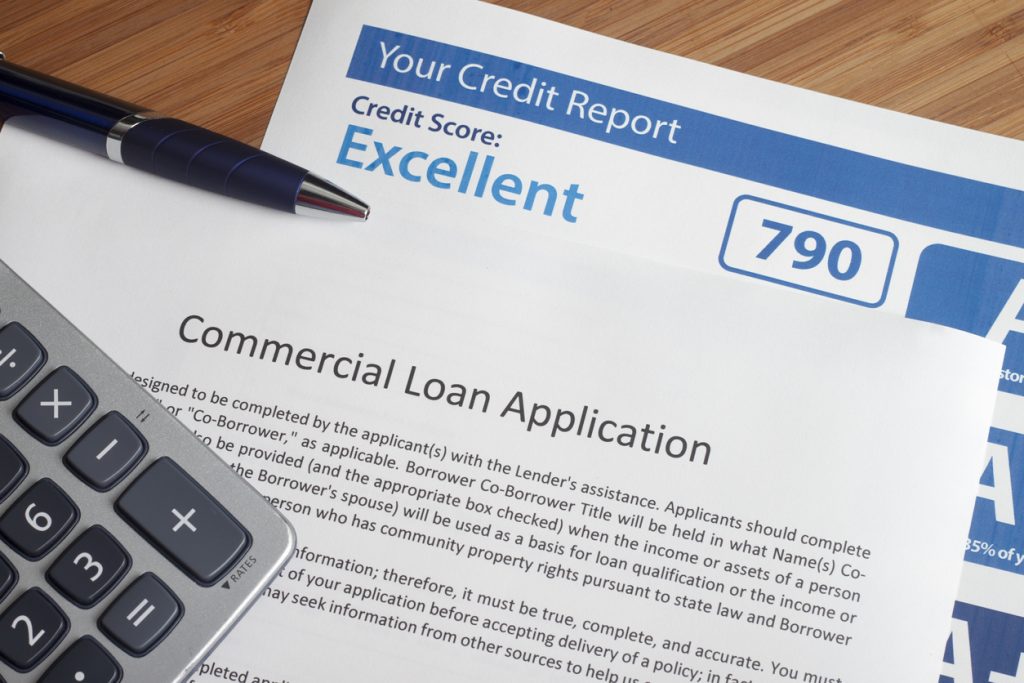
Smart Ways to Boost Your Credit Score Without Stress
Boost your credit score without stress by fixing report errors, automating on-time payments, lowering utilization, and building positive history.
Know What Shapes Your Score
Your credit score reflects how reliably you manage money, and understanding its parts makes improvement feel simple rather than stressful. The biggest driver is payment history, which rewards consistent on-time payments and punishes late ones. Next is credit utilization, the share of your available limits that you use; lower is usually better. Rounding out the picture are length of credit history, credit mix, and new credit. Start by pulling your credit reports and scanning for errors, duplicate accounts, or outdated negatives. Monitoring your score using soft inquiry tools will not hurt your profile and helps you track trends. Make a light, repeatable routine: pick one day a month to review balances, set goals for utilization, and note any issues to dispute. Approaching your credit like any other personal finance system, with small weekly or monthly check-ins, keeps the process calm, predictable, and effective without demanding much time or energy.
Automate Payment Habits for Easy Wins
Late payments can undo months of progress, so build guardrails that make success automatic. Set autopay for the minimum payment on every card to prevent accidental lateness, then schedule a second transfer to pay the rest of the statement or the amount you can afford. Align due dates to your paycheck timing so cash flow stays smooth and surprises are rare. Use calendar reminders and account alerts to catch approaching deadlines and unusually high balances. If you are carrying debt, pick a simple strategy—snowball for quick motivation or avalanche for interest savings—and stick with it. Call lenders if you need a temporary hardship plan; many will offer assistance that protects your standing. Keep a small emergency fund to avoid charging unexpected expenses. These habits reduce friction, lower stress, and steadily strengthen your payment history, which has outsized weight in your overall score.
Lower Utilization With Simple, Repeatable Moves
Your utilization ratio is a fast-moving lever you can control with a few tactical steps. Aim to keep reported balances low by making mid-cycle payments rather than waiting for the bill. Learn your statement closing date; payments before that date are most likely to reduce what the bureaus see. Consider requesting a credit limit increase if your income supports it and your account is in good standing, but avoid adding new debt just because you have more room. Spreading purchases across cards can also keep any single card's utilization down. If you are paying down high-interest debt, a cautious balance transfer or consolidation loan can help, provided you plan the payoff and avoid new charges. Avoid closing old, fee-free accounts, since doing so may shrink overall limits and raise utilization. Consistently low credit utilization signals disciplined behavior and can generate noticeable score improvements without major lifestyle changes.
Build Positive History With Low-Risk Tools
If your file is thin or recovering, create steady, positive signals. A secured card is a practical entry point: you place a deposit, make small purchases, and pay in full, proving reliability. A credit-builder loan can diversify your profile and establish consistent on-time payments. Being added as an authorized user on a trusted person's well-managed account may help, especially if the account has low utilization and a long history. Consider rent reporting or utility reporting services so everyday bills contribute to your profile. Use these tools lightly—set a recurring purchase like a subscription, then pay it off each month—to avoid overspending. Keep records of statements and payments in a simple folder for easy tracking. Over time, these predictable habits expand your credit mix, lengthen your positive history, and show lenders you manage credit responsibly, all without taking on unnecessary risk or complexity.
Be Strategic With New Credit and Account Mix
New accounts can help or hurt depending on timing and intent. Use prequalification to check potential offers with a soft inquiry before you apply, helping you avoid unnecessary hard inquiry hits. Space out applications so your report does not show multiple new lines all at once. When comparing lenders for a big purchase, keep your rate shopping focused and concise, which can limit the impact on your profile. Aim for a healthy credit mix, balancing revolving accounts like credit cards with installment accounts such as auto or personal loans when they serve a real purpose. Avoid opening accounts only for short-term perks if they complicate your plan. If you are concerned about unauthorized activity, consider a credit freeze to block new accounts until you lift it. Intentional, spaced-out decisions make your credit profile look stable and deliberate, supporting a steadier path to higher scores.
Stay Organized and Dispute Errors Calmly
Organization turns credit care into a low-stress routine. Maintain a simple spreadsheet or budgeting app to track balances, limits, due dates, and utilization. Save statement PDFs and payment confirmations so you can quickly verify history. Review reports periodically and dispute errors with clear documentation; incorrect late marks, duplicate collections, or misapplied limits can drag scores down unfairly. If you suspect identity theft, place fraud alerts, file reports as needed, and consider a credit freeze while you resolve issues. Pair these steps with foundational money habits: a realistic budget, an emergency fund, and paying cards in full when possible. Use credit monitoring to watch for changes and set alerts for large balance shifts. Progress is rarely linear, so practice patience and celebrate small wins, like a lower utilization month or a clean report. With a calm system and consistent habits, your score can rise naturally, without pressure.