Wearables 101: What to Look for in a Fitness Tracker or Smartwatch
From battery life to sensors and privacy, here's how to choose a fitness tracker or smartwatch that fits your goals, budget, and lifestyle.
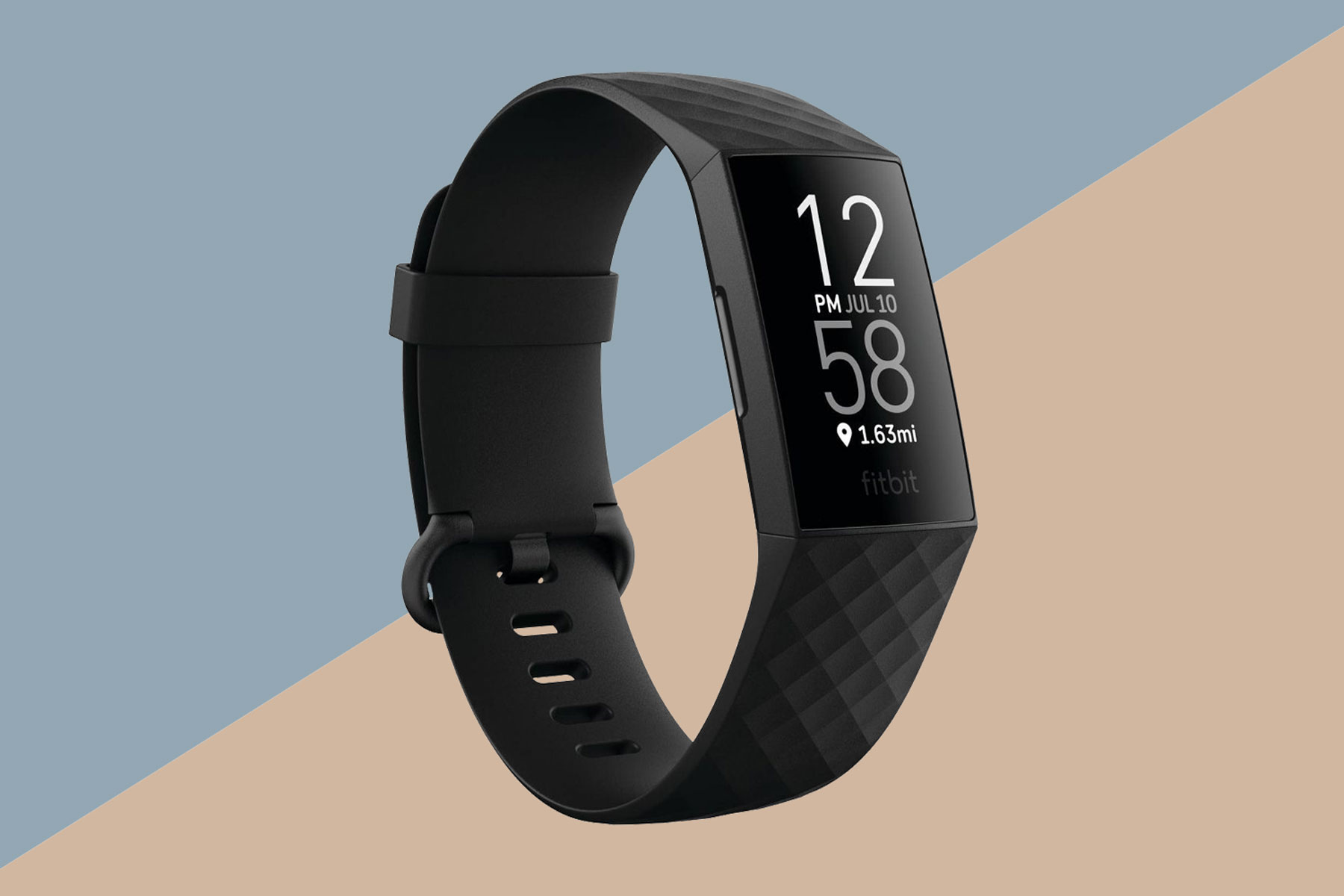
Comfort and Design. A fitness tracker or smartwatch should feel invisible until you need it. Prioritize size, weight, and materials that suit your wrist and daily routine. Slim profiles slip under sleeves, while rugged builds with reinforced housings handle workouts and outdoor use. Swappable bands matter: silicone for sweat, fabric for comfort, leather or metal for style. Consider clasp types for secure fit during runs. Displays vary from OLED for deep contrast to transflective for sunlight readability; check brightness, always-on modes, and scratch resistance. Touchscreens are intuitive, yet physical buttons shine with wet fingers or gloves. Look for responsive haptics that convey alerts without being jarring. If you swim or train in the rain, confirm water resistance and a protective bezel or raised edge. The best design disappears on easy days and stays dependable on tough ones, balancing aesthetics, durability, and ergonomics so you actually enjoy wearing it from commute to workout to sleep.
Sensors and Tracking. Under the hood, more sensors do not automatically mean better insights; what matters is sensor quality and algorithm accuracy. Common components include optical heart rate sensors using PPG, accelerometers, gyroscopes, altimeters, and skin temperature inputs. Advanced models add SpO2 and optional ECG features, though these are for wellness and should not replace medical care. Runners and cyclists should examine GPS performance, ideally with multi-band GNSS for improved lock and accuracy in cities or under trees. For swimmers, look for stroke recognition and lap counting. Accuracy depends on fit, placement above the wrist bone, and consistent wear; tattoos, movement patterns, and ambient temperature can impact readings. Seek devices that support chest strap pairing for high-intensity sessions. Calibration options for stride length or wheel size are helpful. Ultimately, prioritize reliable heart rate, precise distance tracking, and clear sleep and recovery metrics over sensor buzzwords.
Battery and Charging. Great features are only useful if your device makes it through the day. Assess claimed battery life with your routine in mind: GPS workouts, always-on display, music playback, and cellular connectivity all add drain. Look for power-saving modes that selectively dim screens, reduce sampling rates, or pause continuous tracking without losing essentials. Fast charging is handy when you forgot to top up before a run, and reversible or magnetic chargers reduce wear. Consider whether charging is proprietary or USB-C for travel convenience. If you track sleep, aim for a device that can grab significant charge during a morning shower, not hours on a dock. Battery health features that limit full charges or learn your schedule can prolong longevity. For long hikes, check if the watch offers GPS-only, multi-system, and ultra modes so you can trade precision for runtime. Efficient chipsets and smart screen tech often matter as much as capacity.
Compatibility and Ecosystem. A wearable is only as good as the devices and services it works with. Verify phone compatibility, ensuring your operating system and Bluetooth stack are supported for calls, notifications, and updates. Explore the companion app ecosystem, including dashboards for workouts, sleep, and recovery, plus options to export data to formats like GPX or to third-party platforms for deeper analysis. If you want standalone use, consider Wi‑Fi or cellular capability for streaming, messages, and safety features without your phone. Check notification handling for quick replies, message filtering, and per-app controls. Tight integration with health platforms can centralize your metrics and sync with nutrition or training tools. Look at voice assistant access for hands-free commands, and verify firmware updates are regular and reliable. The right ecosystem reduces friction, keeps your data in sync across devices, and future-proofs your investment with new features over time.
Smart Features Beyond Fitness. Today's wearables blend health with convenience. If you value everyday utility, investigate contactless payments via NFC, offline music storage for phone-free runs, and call handling with a built-in microphone and speaker. Customizable watch faces and complications surface essential info at a glance. Safety tools like fall detection, emergency SOS, and location sharing can offer peace of mind. Runners may want interval timers, pace alerts, and structured workouts, while desk workers benefit from focus modes, smart alarms, and calendar cards. Frequent travelers might appreciate world clock widgets and do not disturb scheduling. If you swim, confirm pool and open-water modes plus button usability when wet. Look for find my phone features, quick camera shutter control, and robust offline utilities when connectivity drops. A thoughtful mix of smart features ensures your device earns its spot on your wrist every hour, not only during workouts.
Privacy and Security. Your health data is sensitive, so evaluate how a device collects, stores, and shares it. Prefer platforms that offer end-to-end encryption where possible, on-device processing for heart rate and sleep stages, and granular permissions for sensors and notifications. You should be able to opt in to data sharing, review what's collected, and delete it entirely if you leave the service. A watch PIN, wrist detection, and auto-lock protect payments and personal info. Look for transparent data retention policies, account recovery options, and two-factor authentication. If you plan to share insights with a coach or family, confirm the device supports controlled data sharing with clear consent. For workplaces or schools, check profile separation so wellness data is not mixed with managed settings. Security updates and responsible bug fixes are as critical as new features. Strong privacy practices let you benefit from insights without sacrificing control.
Value and Buying Strategy. Start with your goals, not the spec sheet. Make a list of must-haves like accurate GPS, robust sleep tracking, or long battery life, then rank nice-to-haves such as NFC payments or cellular. Try devices on if possible to assess comfort, readability, and button feel. Consider software support longevity, frequent updates, and the pace of meaningful improvements. Check warranty terms, availability of replacement bands, and repair options, especially for batteries and screens. Evaluate water resistance for your activities and the cost of compatible accessories like chargers. If you depend on ecosystem features, staying within a platform may provide the best value; if you switch phones often, prioritize cross-platform reliability. Watch for bundled services that add coaching or mapping without extra fees. The best wearable is the one you will wear consistently, delivers trustworthy metrics, and aligns with your budget without locking you into features you will not use.